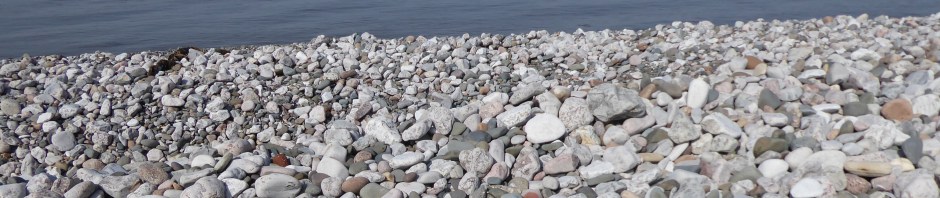
During the third lockdown, at the start of 2021, I re-visited some limestone kilns, a short walk from where I live. Coincidentally, I’d been re-reading some of Norman Nicholson’s poems and one in particular, The Seven Rocks, kept drawing me back – the St Bees’ sandstone, the mountain limestone, the Coniston ‘flag’ and Maryport coal. Because I desperately needed a new ‘project’ to keep me occupied through lockdown – new discoveries, new outdoor subjects to write about – I was taken with the idea of finding out more about Cumbria’s seven types of rock and their uses: but it soon became apparent that would be an unfeasibly large project. And anyway, I live at the edge of ‘limestone country’, a particularly engaging type of stone – here there are kilns, drystone walls, fossils, a local limestone pavement, quarries, and fields where powdered limestone is spread by farmers. I have long had an interest in haematite, iron ore, too – and this mineral, once so important in Cumberland’s economy, was mostly quarried from the limestone.
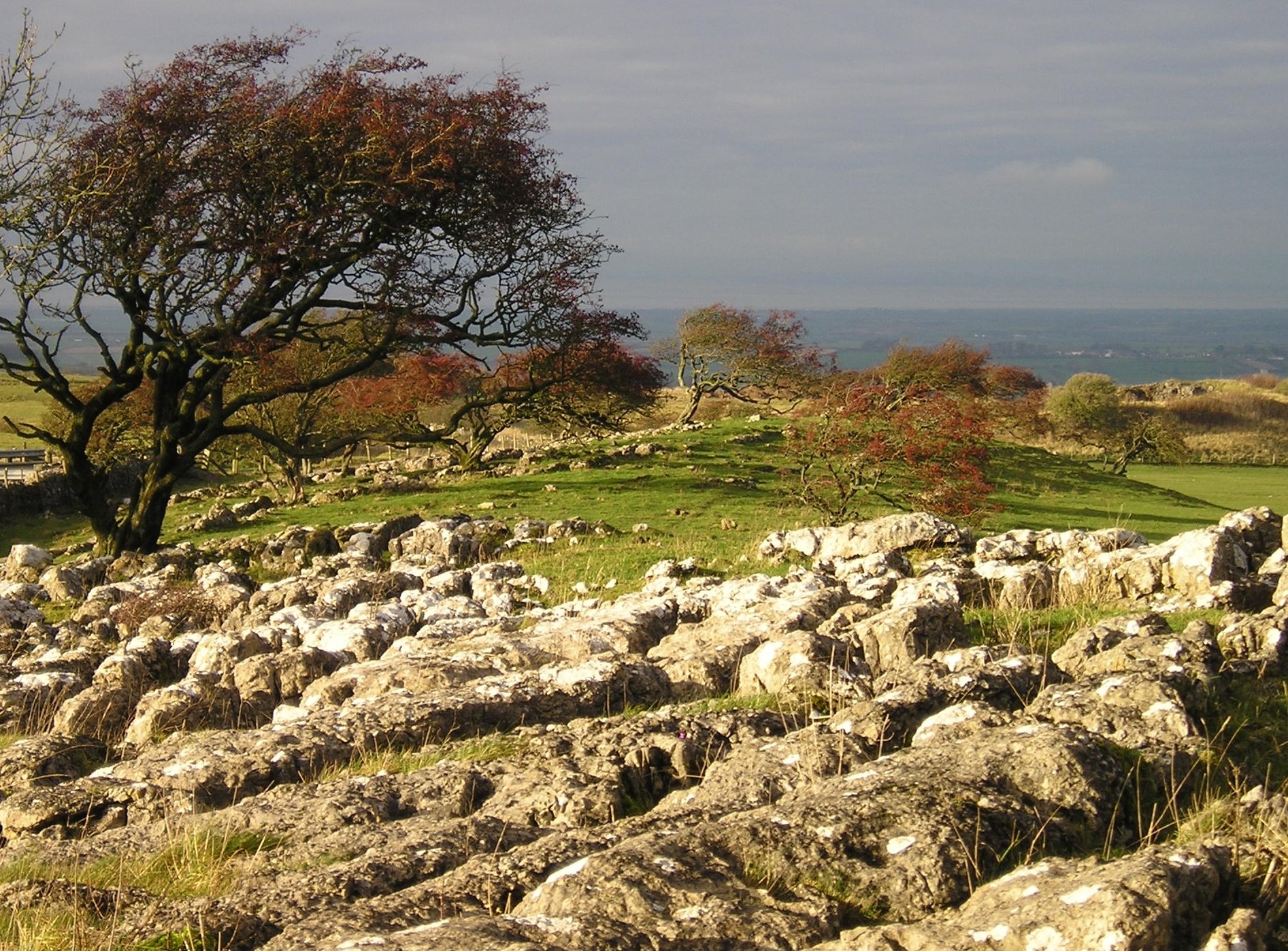
The limestone around the Lake District, then, is the foundation of this project, and I have been, and will continue to be, finding out more about its origins and properties, and how our species uses it. Already, very helpful, knowledgeable and kind people have spent hours with me identifying plants, finding haematite crystals, and taking me up the stairways on the majestic Shapfells kilns … and more!
Relevant blog-posts will appear from time to time – please keep checking, if you’re interested, if only for occasional unusual photos.
The topics will be loosely divided into:
Limestone country: an overview

See In Limestone country: Clints Crags
See Clints Crags. An intermittent diary of a limestone pavement
See Limestone: ‘death assemblages’ (for fossils)
Limestone pavements
See Limestone: the language of pavements
See Limestone: ‘pavement’ plants
See Limestone: ‘death assemblages’ (for fossils)
Drystone walls
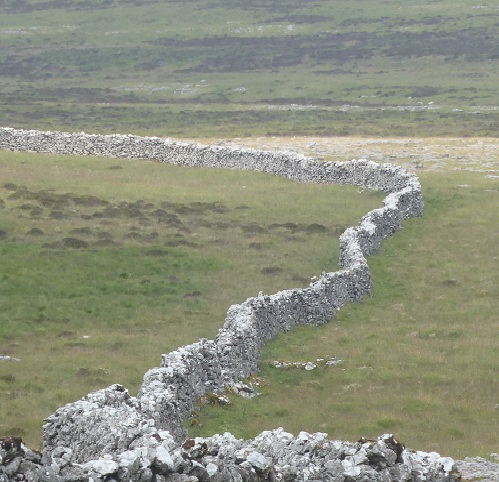
See Limestone: Wandering walls in limestone country
Kilns, large and small
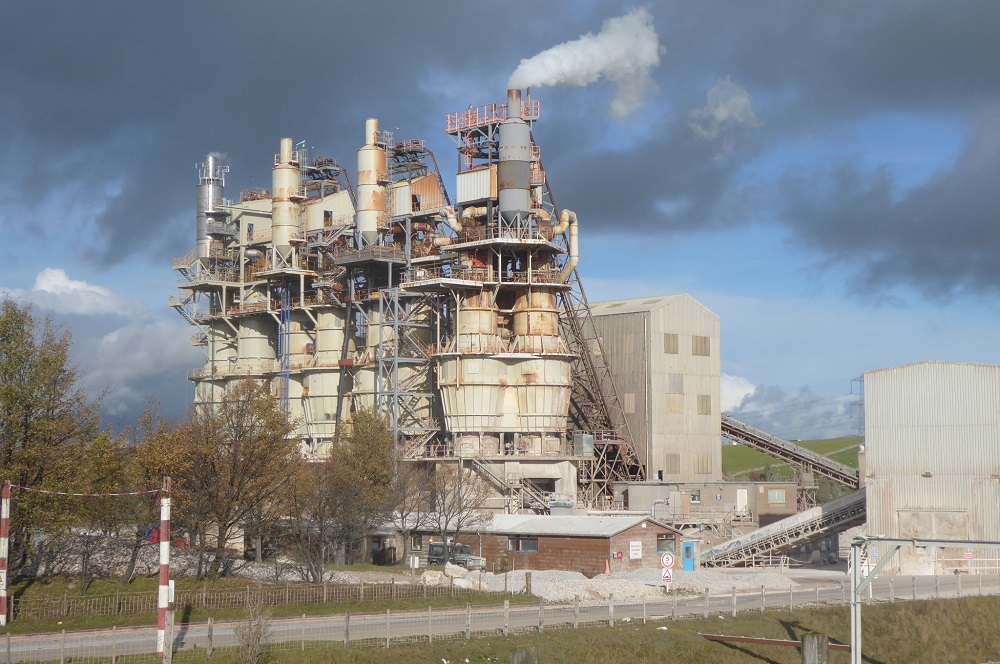
See Limestone: quicklime, tubs and ghostly kilns
See Limestone: the Tata Shapfell kilns
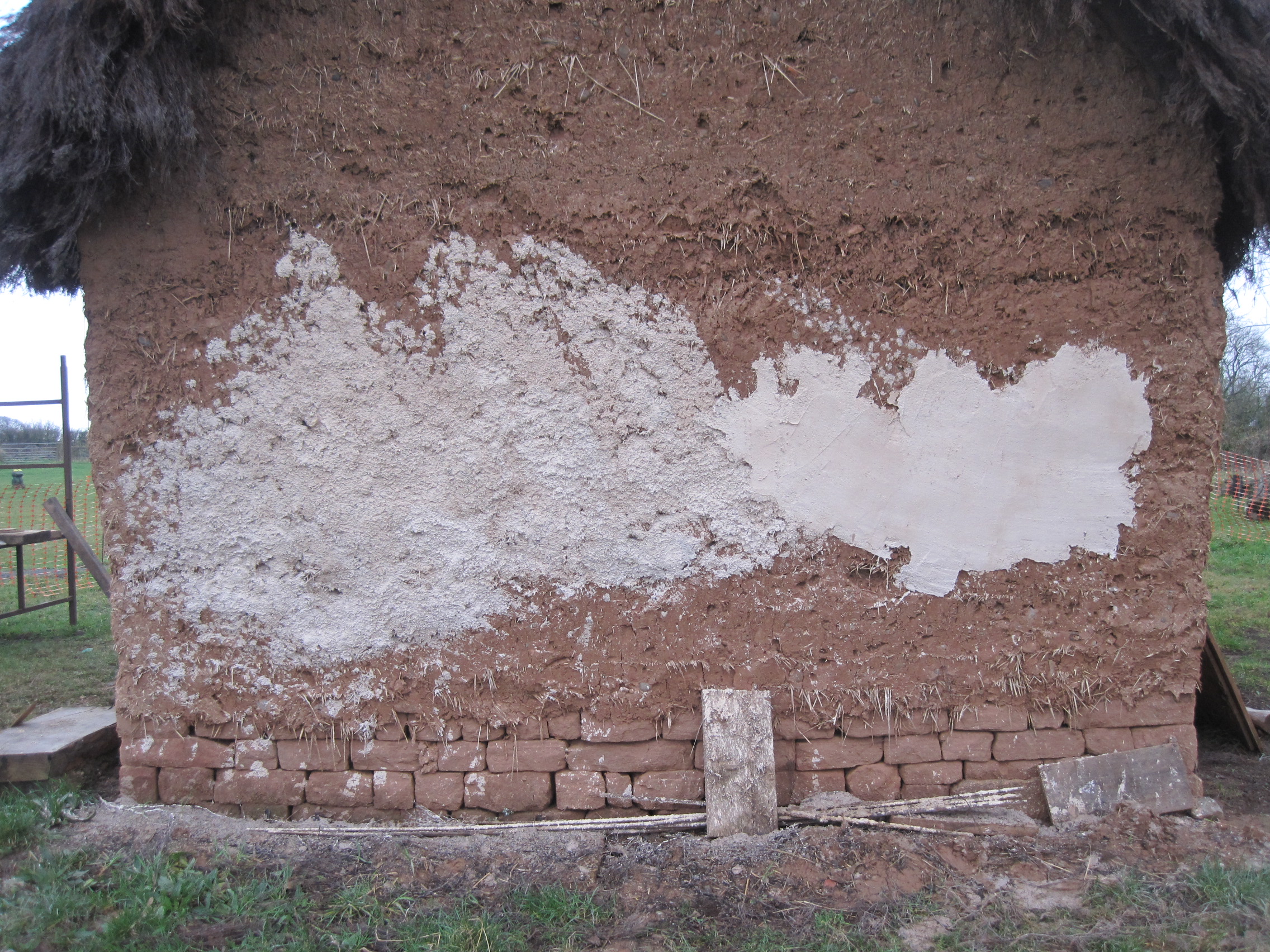
Quicklime, in steel-making; in old buildings;
Quarries: agricultural lime, ‘rock armour’ on the coasts
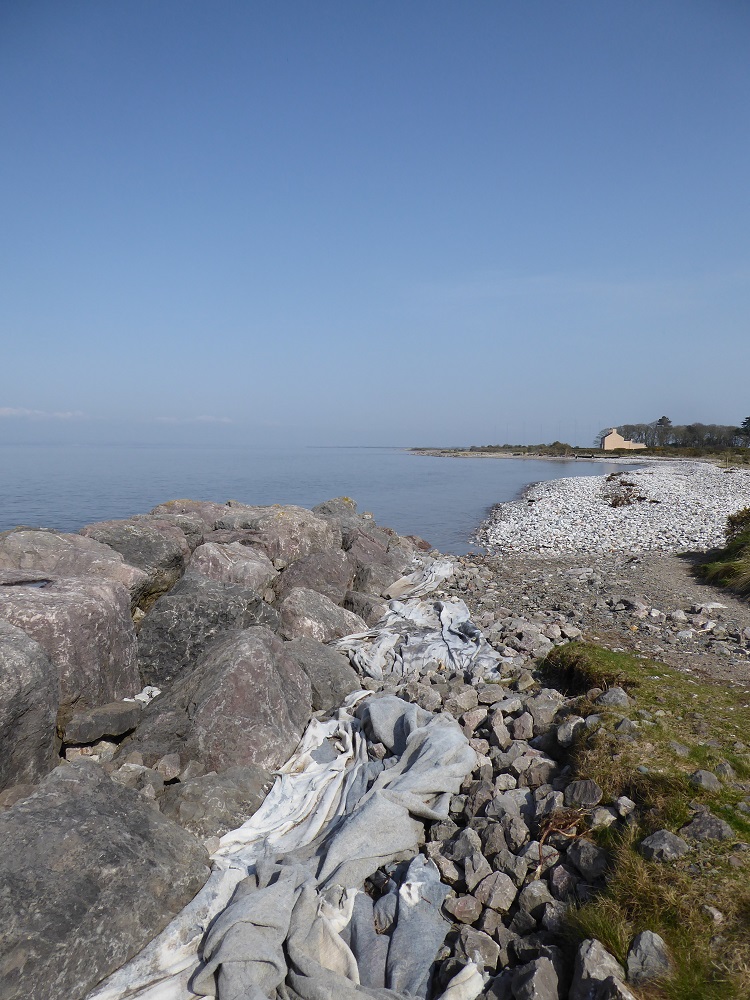
See Protecting the coast: limestone rock armour
Haematite: mines, including Norman Nicholson’s Hodbarrow & Millom
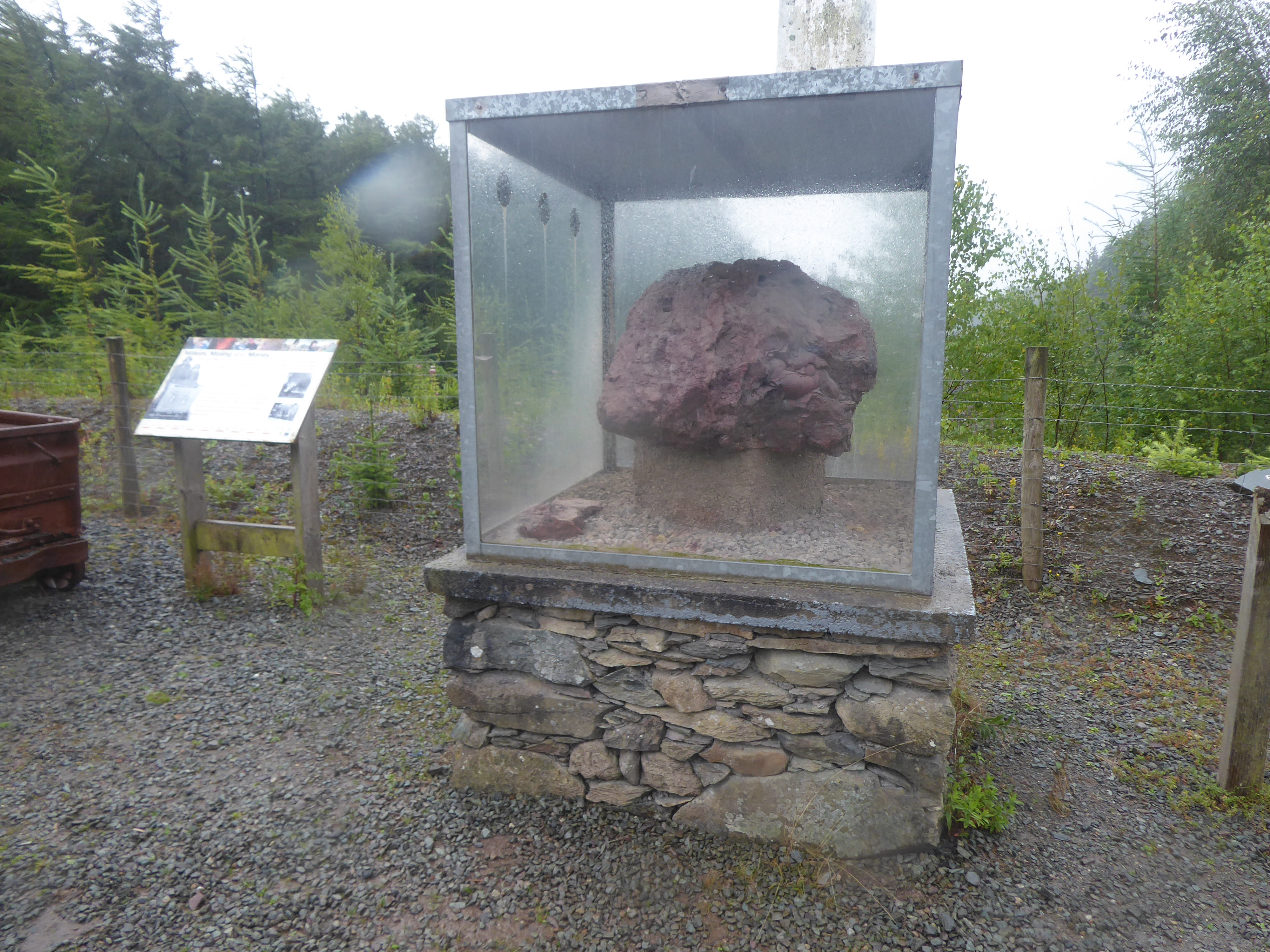
See: Haematite in Eskdale
 Solway Shore-walker