Six o’clock, and the rooks and jackdaws are wheeling in the darkening sky, shrieking and cawing in a cacophony of sound, their attention focussed on the garden below. The football-rattle clatter of vigilant magpies adds another layer of sound. Like snowflakes, pale feathers drift down for several minutes from the sky. On the lawn, a female sparrowhawk struts amongst the pearly fluff of an exploded collared dove, and darts at the three magpies who are daring to challenge her for her kill. After a few minutes, they give up and fly away; the black corvids continue shouting from above, but then they too drift away in twos and threes, and the hawk is left alone, to tear beakfuls of flesh from her prey. She pulls at the carcase for nearly three-quarters of an hour, and when she has finished only a pale plate of feathers remains to hint at its meal.
Sparrowhawks regularly flash through the garden and over the field, the speed of their flight sometimes so fast as to register sub-liminally; collared doves, of which we have many, provide a good meal. The hawks seem uninterested in sparrows, although blue-tits make an occasional snack. (And now I discover, from the RSPB/DorlingKindersley bird book, that ‘males take tits and finches, females thrushes and pigeons’; a new and fascinating fact!) The local buzzards continue to harass the rook colony when the rooklings hatch, and occasionally a kestrel hovers, wings flickering, high above the ‘new wood’ where the voles reign. I am ambivalent about the voles: yes, we are honoured that they like to live and breed in the wilder areas – but they are less welcome when they destroy the flowers of the snakes-head fritillaries, or burrow in the soil of the greenhouse and polytunnel.
This has been the Year of the Mole, too, with mounds of soft brown soil being thrown up all round the small-holding – even, bizarrely, on the island in the pond. Hedgehogs have returned, snuffling loudly in the dusk and, thankfully, no longer seen in the day: whatever disease struck them down previously must finally have disappeared. The bats, pipistrelles, are numerous and active as before.
But this has been the first year that we have had no swallows nesting at all. Indeed, there have been only a few pairs in the village, and the house-martin numbers have plummeted. The tawny owls ignored the nestboxes (which made perfect homes for jackdaws instead) and seemed to abandon the village and its surrounds altogether – but last night, in late October, we finally heard a pair calling to each other in the distance. The good news is that a heron has often been seen flying ponderously overhead, and surely visits the pond when we’re not looking.
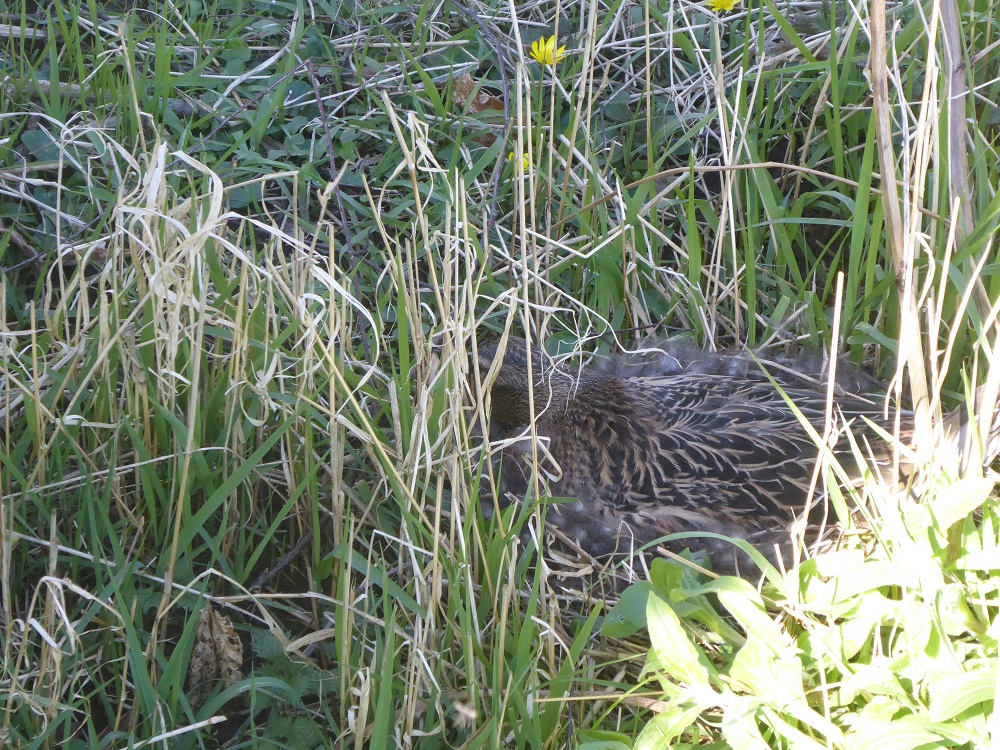
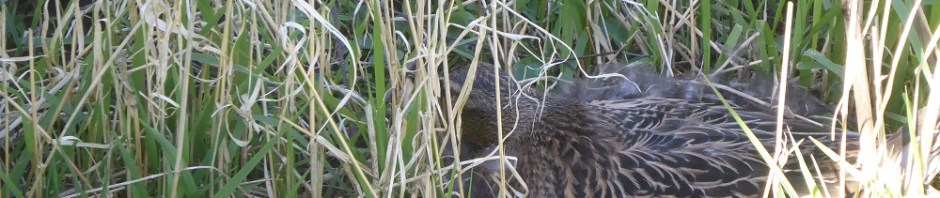
Yet again, a female mallard risked nesting among the grasses and reeds on the island in the pond, despite the proximity to the rookery. For four weeks she lay flattened over her eggs, barely visible apart from a vigilantly beady eye, until one day her enormous brood of 11 ducklings hatched and were seen rapidly scurrying after her in the shallow water of the droughty beck. Where did she lead them? Who knows!
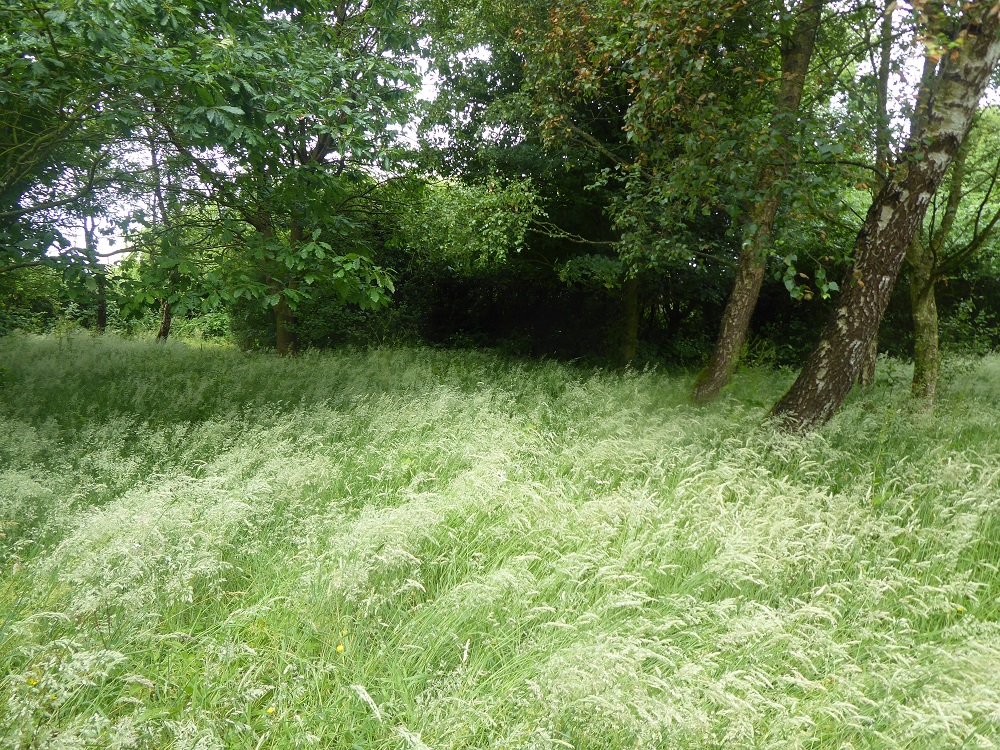
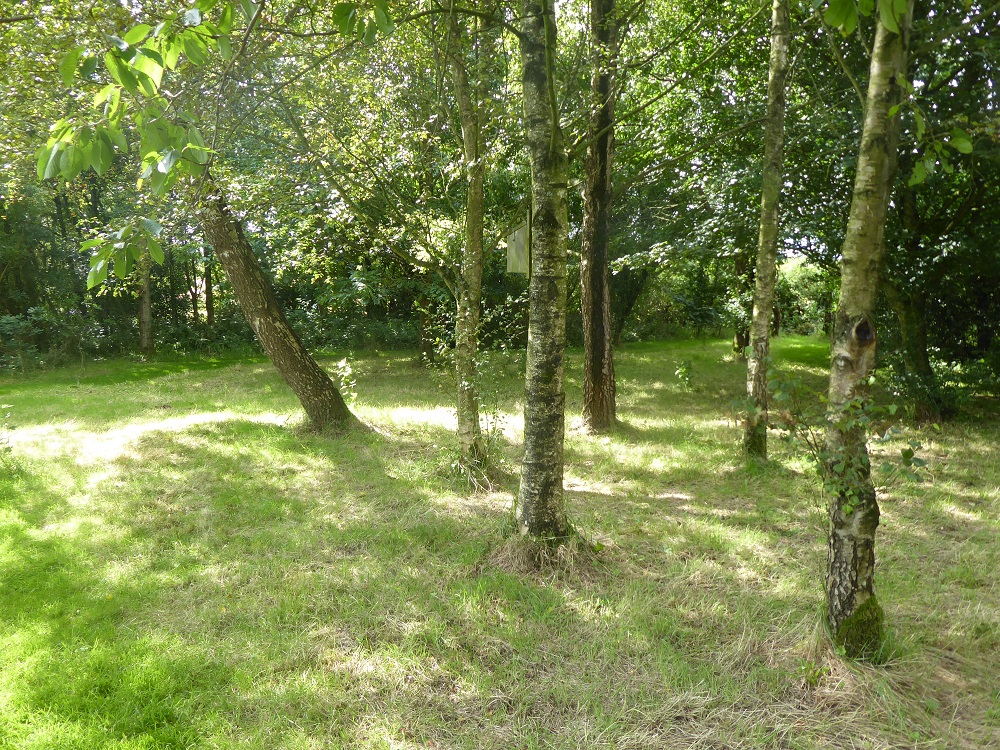
Various of the no-mow areas in the garden produced surprises this year: in two of them new orchids appeared, and small grasshoppers had flown in too. The wildflower areas near the pond and in the ‘new wood’ were rich in plantains, oxeye daisies, pink campion and clover, and the previously unimpressive patches of yellow rattle have spread and proliferated, the dry brown seed-pods rattling satisfyingly in the late summer.
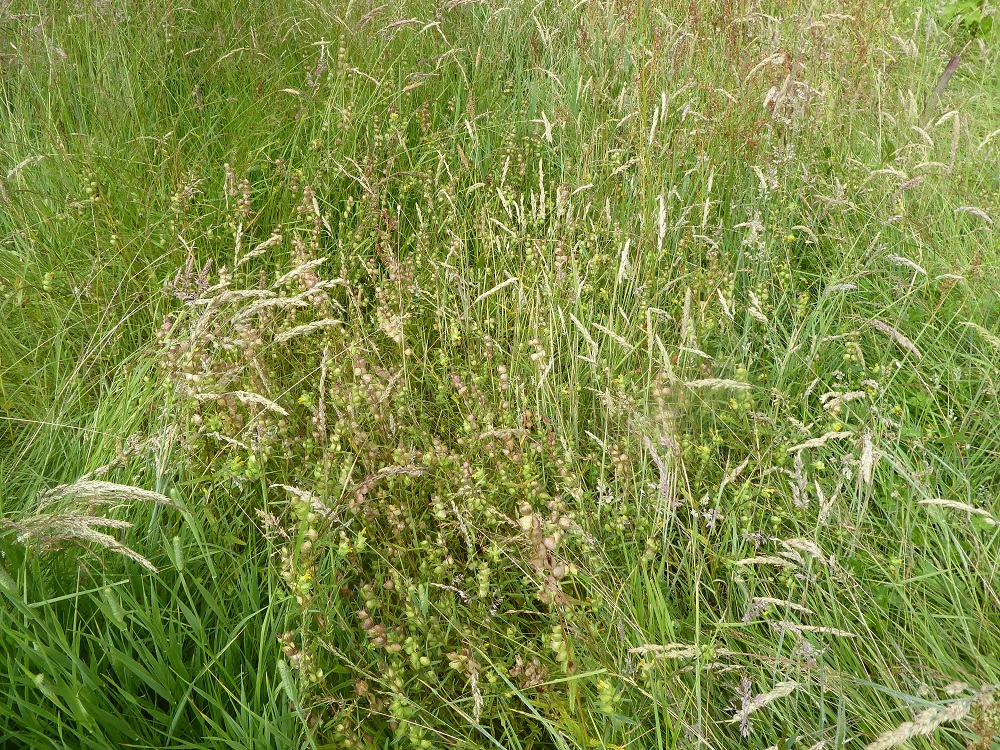
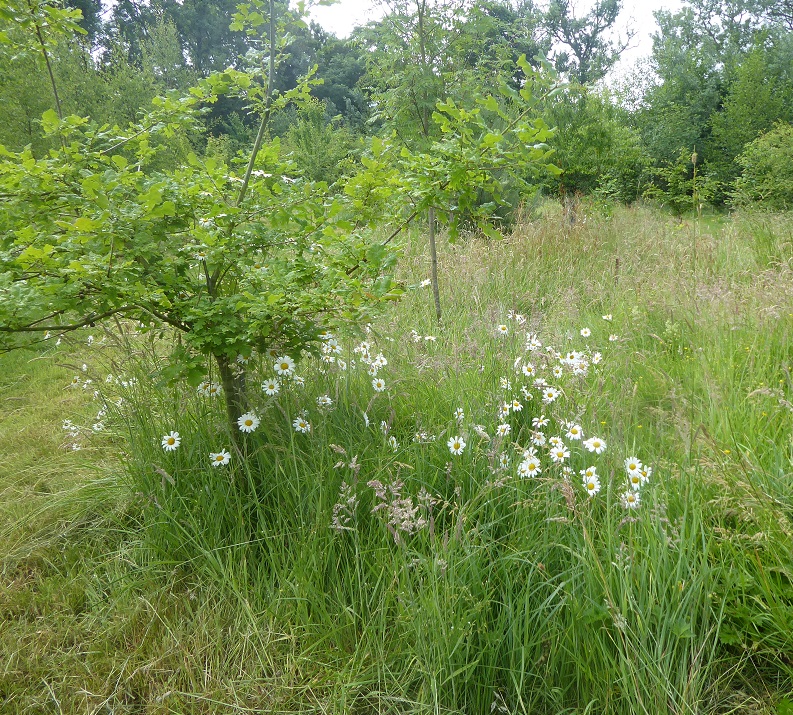
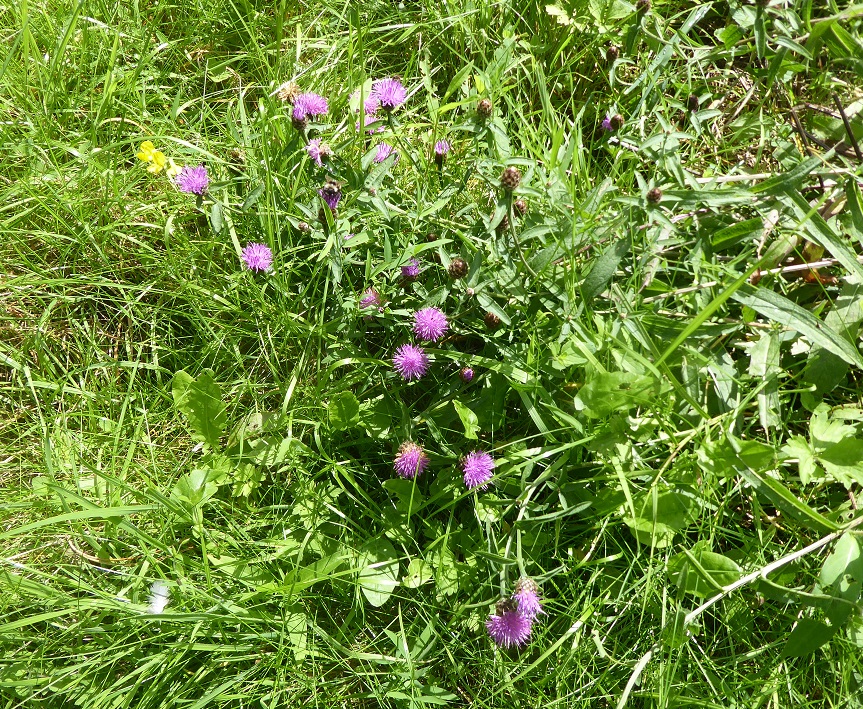
The ‘new wood’, the ‘Three-score years + 10’ wood, was planted in February 2018.
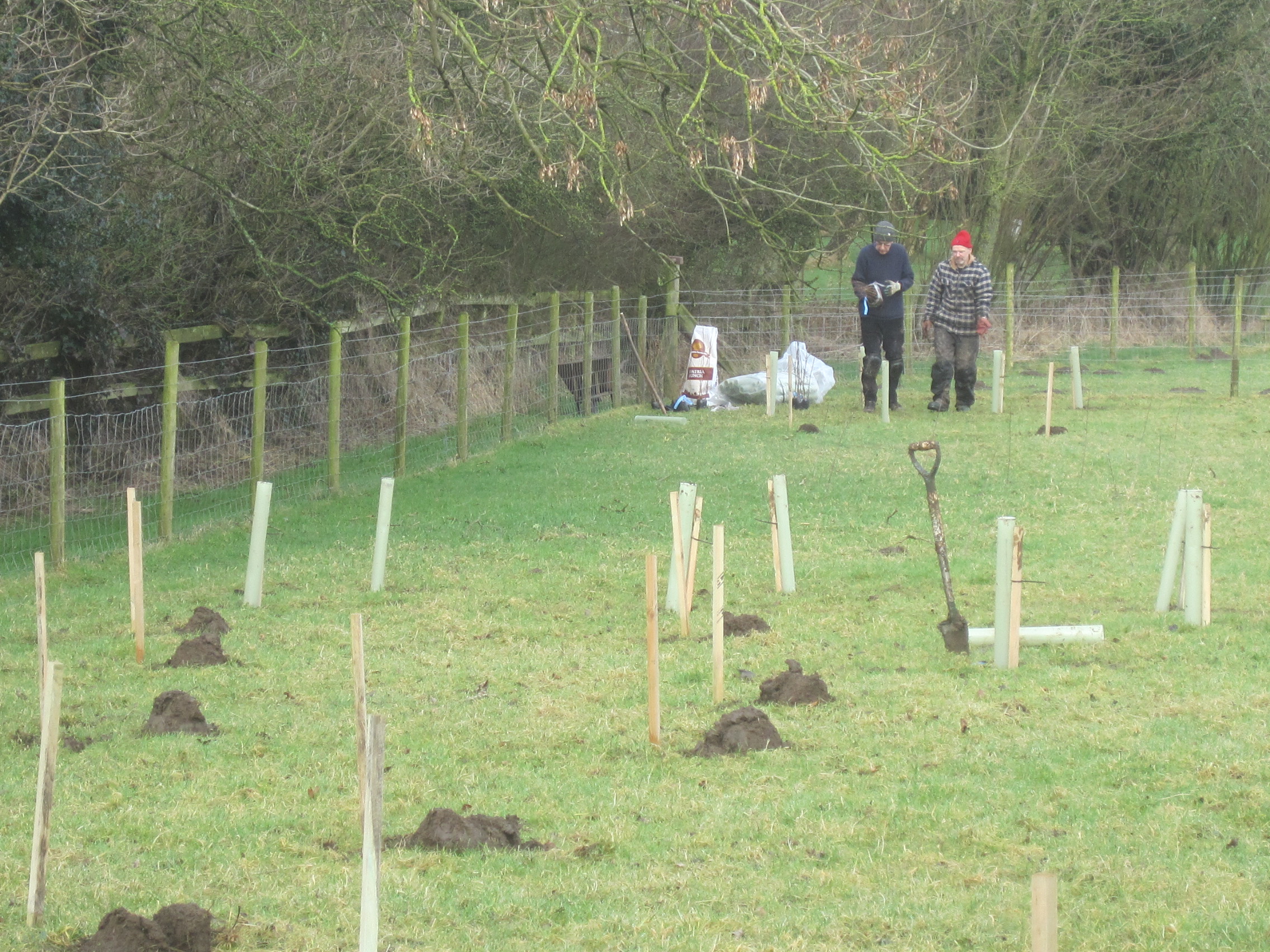
It’s now in its sixth growing season, and continually delights and astonishes us: some of the birches and alders are at least 20 feet high, and the hawthorn thickets and hedge are rich and dense and protective.
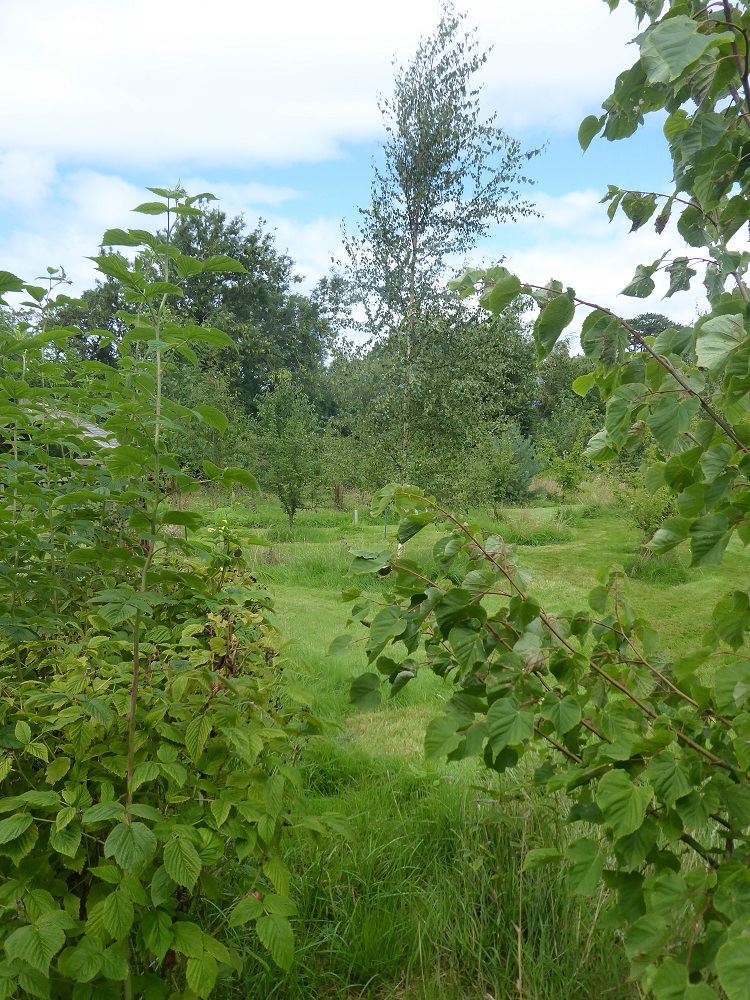

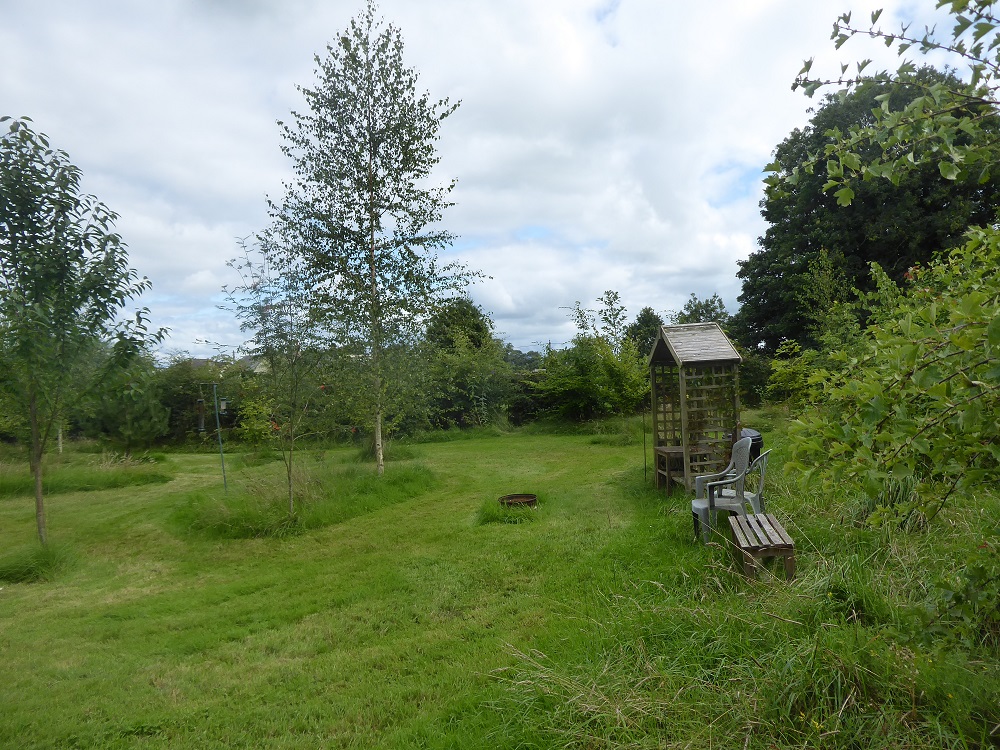
Chiffchaffs, blackcaps, willow warblers, four species of tit, chaffinches and greenfinches, tree and house-sparrows, blackbirds and thrushes – all regularly visit; and the butterflies – orange-tips laying eggs on the proliferating cuckoo-flowers in Spring, and the red admirals, tortoiseshells and meadow browns in late Summer – make us thankful, yet again, that we decided to turn this area of pasture into mixed woodland.
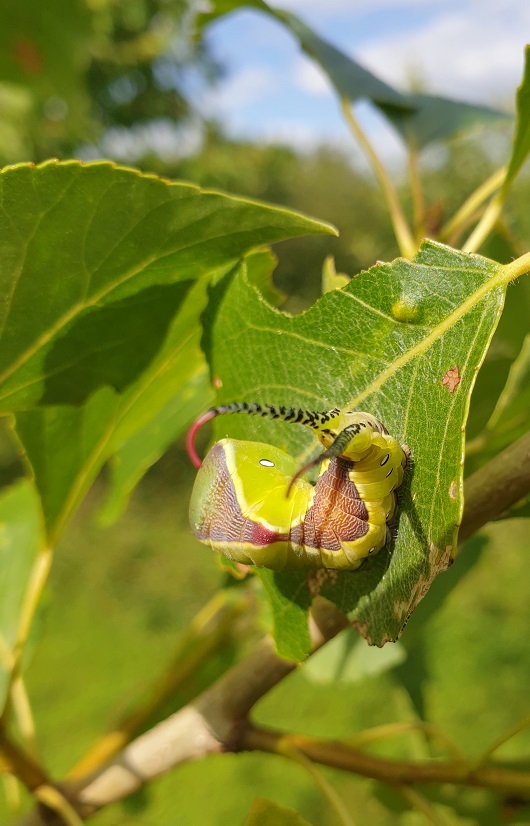
No poplar hawk caterpillars on the black poplars this year, even though adults were identified in the moth-trap: the tree was given a reprieve and grew almost unchecked, its leaves munched only by one fat, overly-dramatic, puss moth caterpillar in July. Insect life thrives amongst the longer grasses.

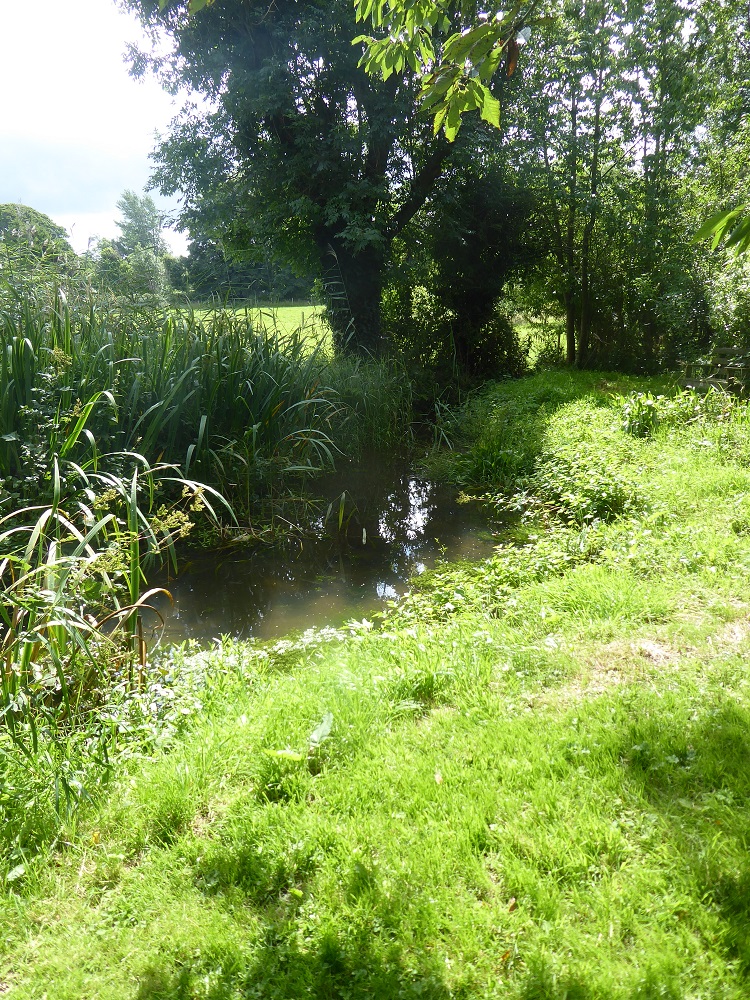
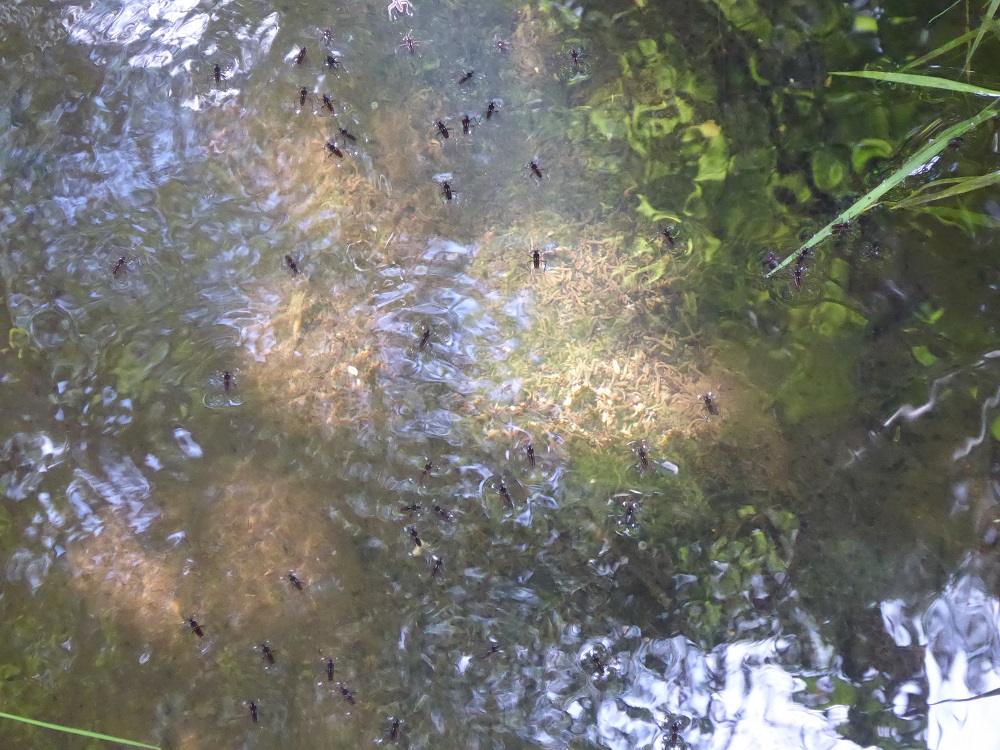
As in previous years recently, very dry conditions have struck in the Spring. In the garden, vegetables have struggled and the potato crop almost failed, producing only little bullets instead of large sweet-fleshed ‘Vivaldi’. As usual, the drought caused the springs and the beck to diminish, and the pond gradually to reduce to mudflats and a thin trickle of water for several weeks. Sadly, but as expected, this was unattractive to dragonflies. Impossible to know if the tadpoles survived to fully metamorphose, although we have subsequently seen medium-sized frogs, and even a couple of toads, amongst the vegetation. But an exciting ‘first’ was the arrival of two giant water-beetles, Dytiscus, who are presumably feasting on the gammarids and flatworms. Eventually, the rains returned, and the pond looks like a pond once more.

And the rain benefitted the fruit, both soft and hard – it has been an exceptionally good year for apples, and for raspberries and red and black currants (not so good for the strawberries though, which became balls of soggy, grey mildew and, past their best as plants in any case, have been dug up).

As I write this, the hawthorns, wild roses, and guelder rose trees are laden with red jewels of berries and the local children have collected large bags of conkers. The ‘wild’ raspberry thicket continues to produce fruit. Flocks of fieldfares are chack-ing in the hedges, joined by the first of the redwings. The pinkfooted and barnacle geese are flying over in large skeins, wink-wink-ing and yelping to each other, coming here to escape the Arctic winter. Herring gulls cruise inquisitively overhead and, improbably large, swirl and settle on nearby fields where slurry is being sprayed.
 Solway Shore-walker