If you cut into a peatbog, it bleeds … brown water. Peat is 90% water, taken up by the living sphagnum mosses that form the bog, and retained as they die and are compacted to form the basis of the spongey, acidic mass of dead and living organisms that slowly accumulates over the centuries. On the Cumbrian side of the Upper Solway Firth are several great domes of raised mire, the ‘Mosses’ – Wedholme Flow, Bowness Moss, Glasson Moss and Drumburgh Moss – that started to develop about 10,000 years ago after the glaciers retreated. Humans have found peat to be a valuable and useful material, initially for burning to provide heat in their homes, and later as a source of nutritious bedding material for garden and other plants. Turbary (peat cutting) rights existed along the edges of the Mosses: peat cutting was done by hand and then gradually mechanised, in some cases as at Kirkbride Moss (Wedholme Flow) on an industrial scale. On Bowness Moss (Common) there was the additional insult to the bog when, during the construction of the Solway Junction Railway, deep drainage channels had to be cut in an attempt to drain the line of the track. ‘Water ran in river-like streams’, as the peat was drained and partly dried out.
But in more recent times we have realised that peatlands are a valuable resource for special communities of plants and animals, and an important store of carbon from the atmosphere. Over time, drainage channels have been blocked, bunds raised, and sphagnum mosses distributed, all aimed at restoring the damaged peatlands. The RSPB took over Bowness Common and with guidance from Natural England (and its earlier version, English Nature) have spent considerable time and effort in reversing the damage to the Moss, and turning parts of the area into wetlands for the benefit of birds and insects.
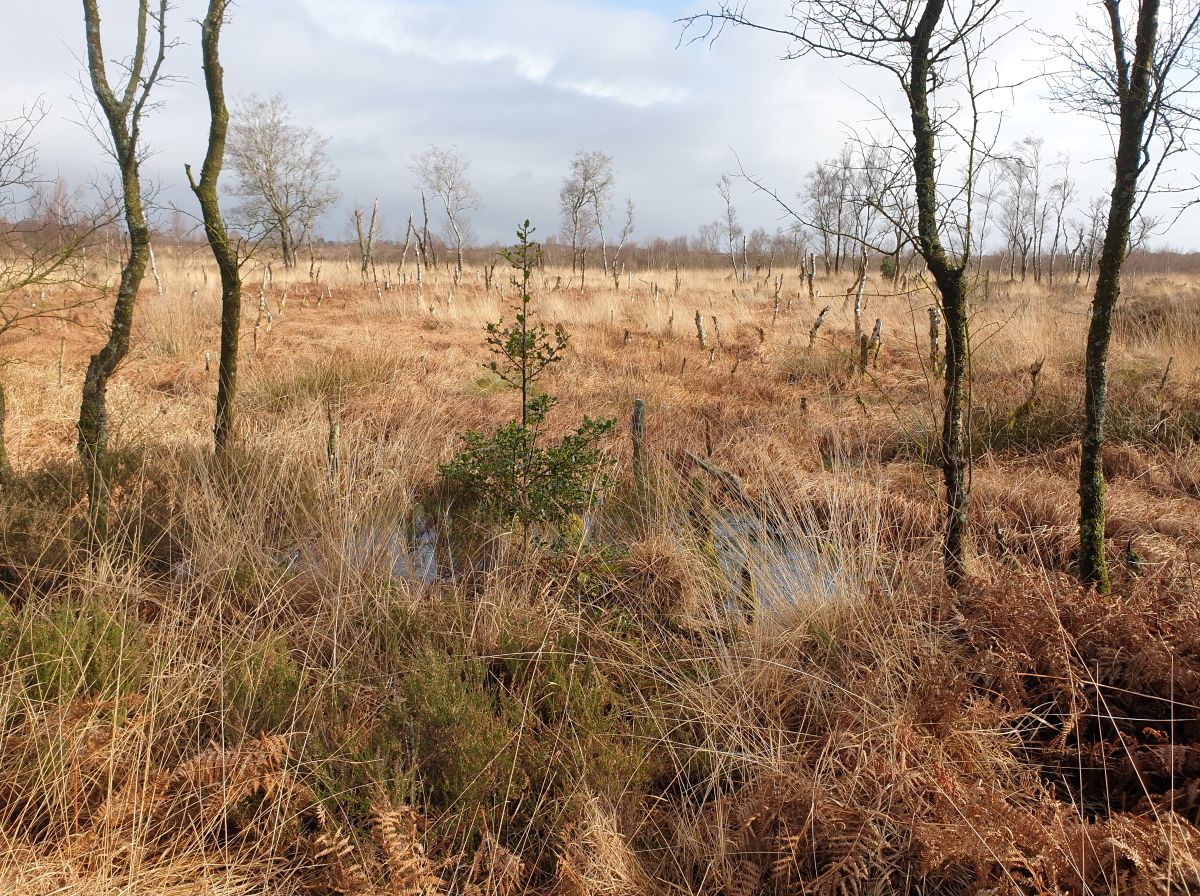
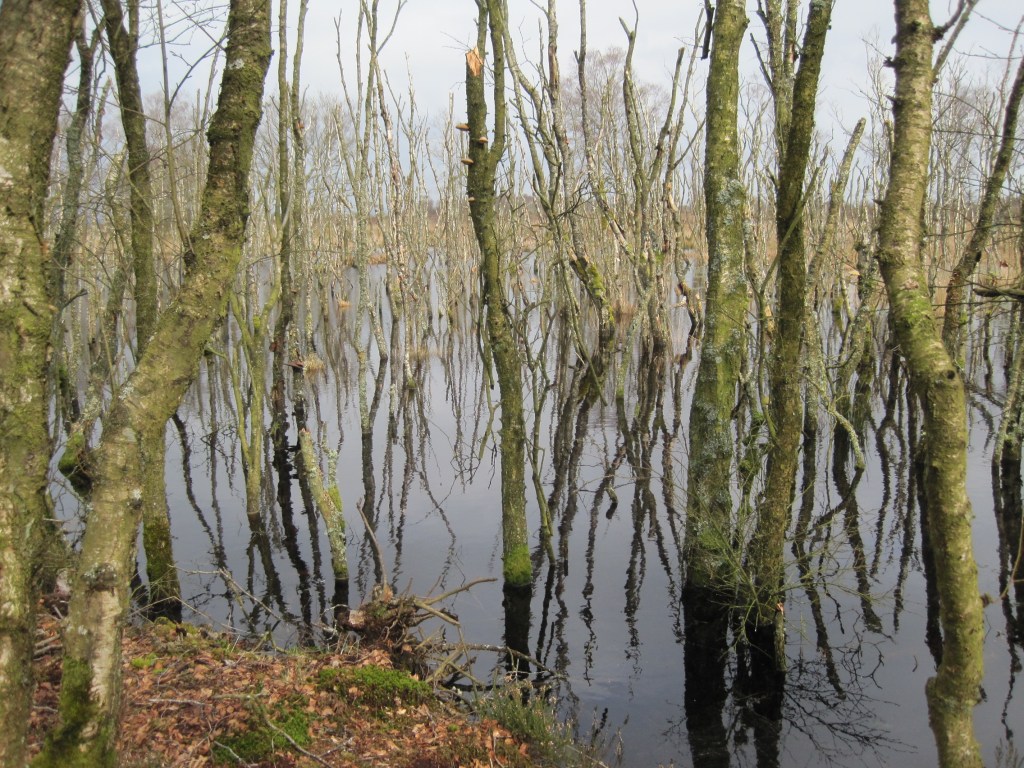
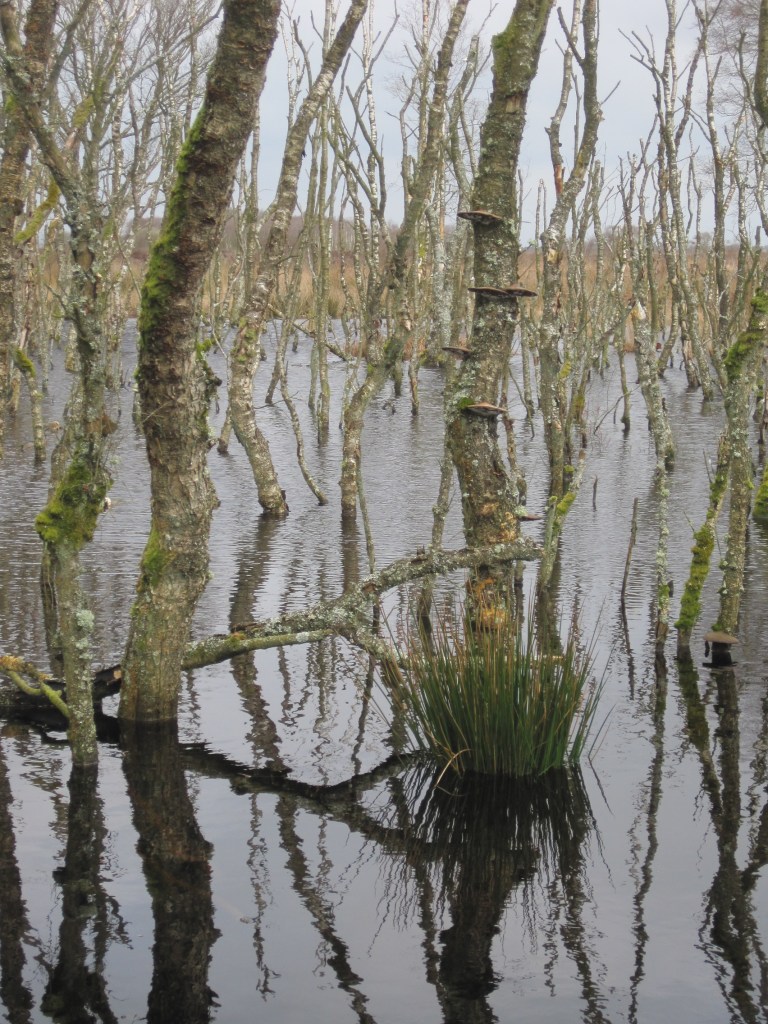
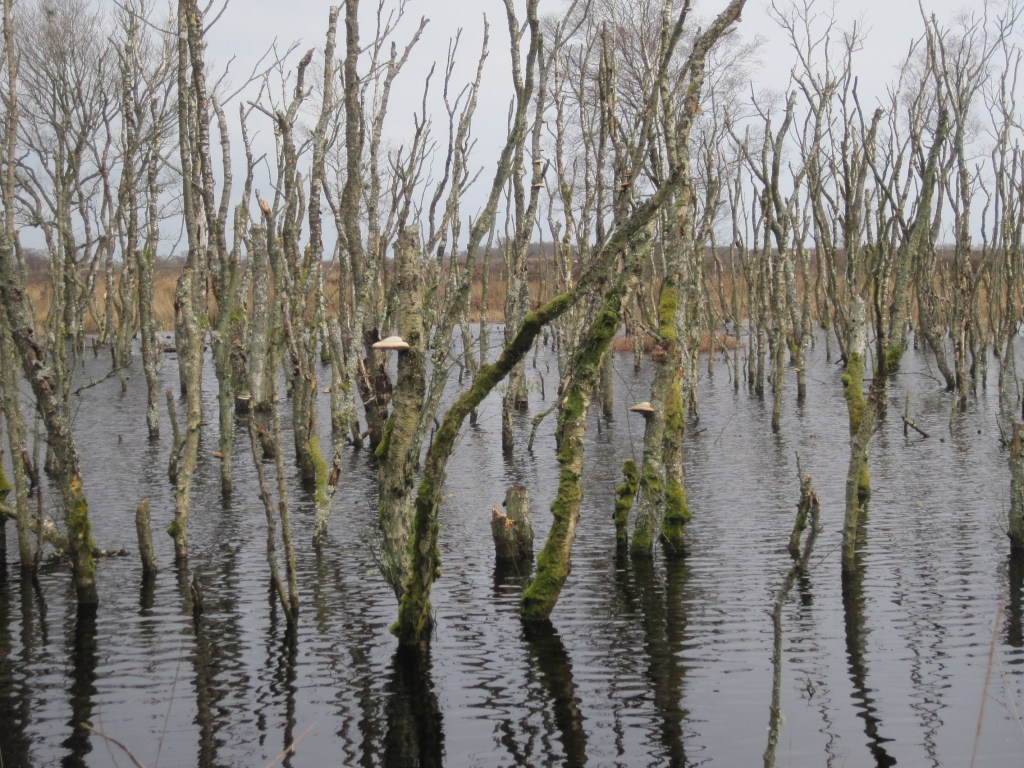
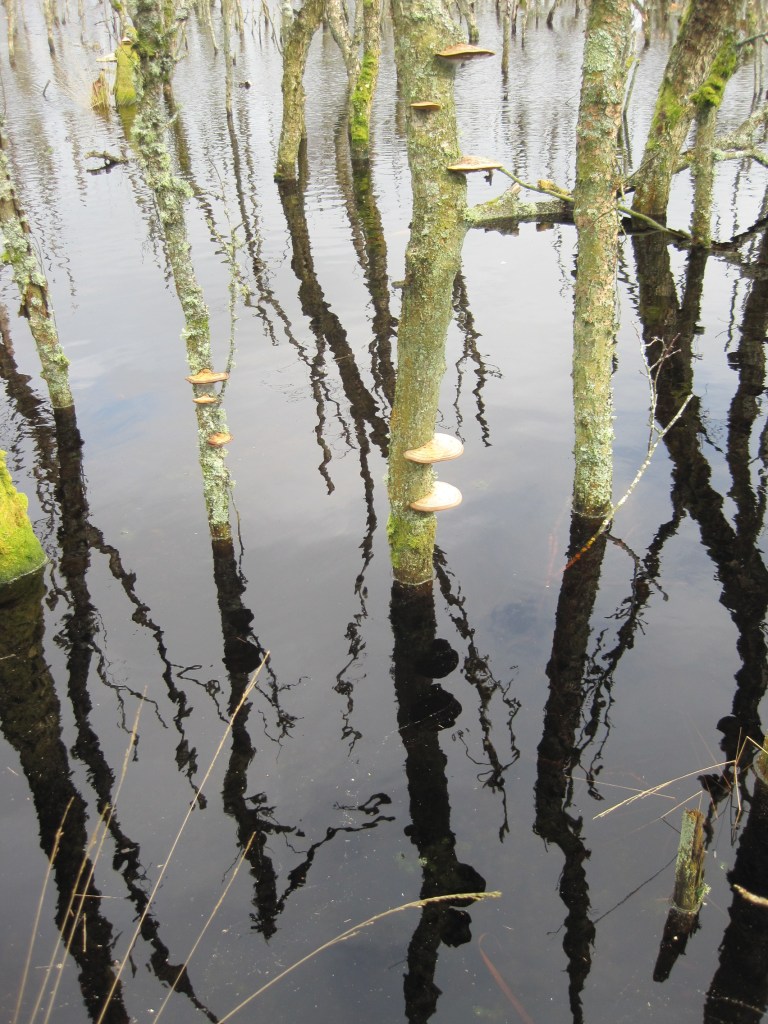
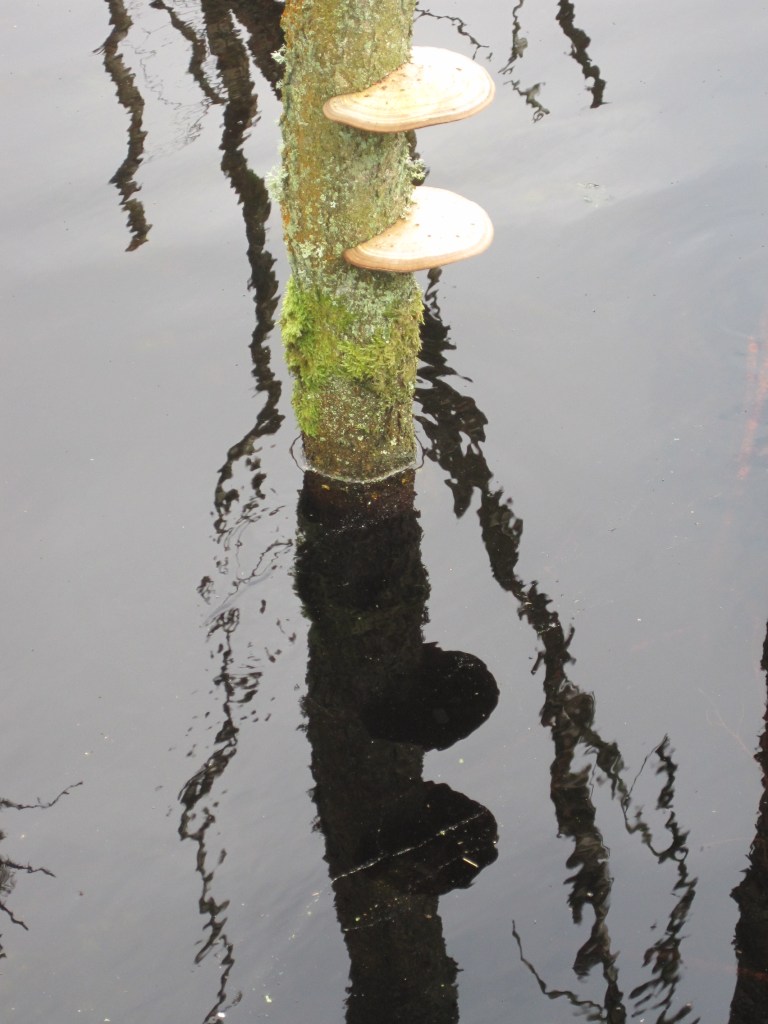
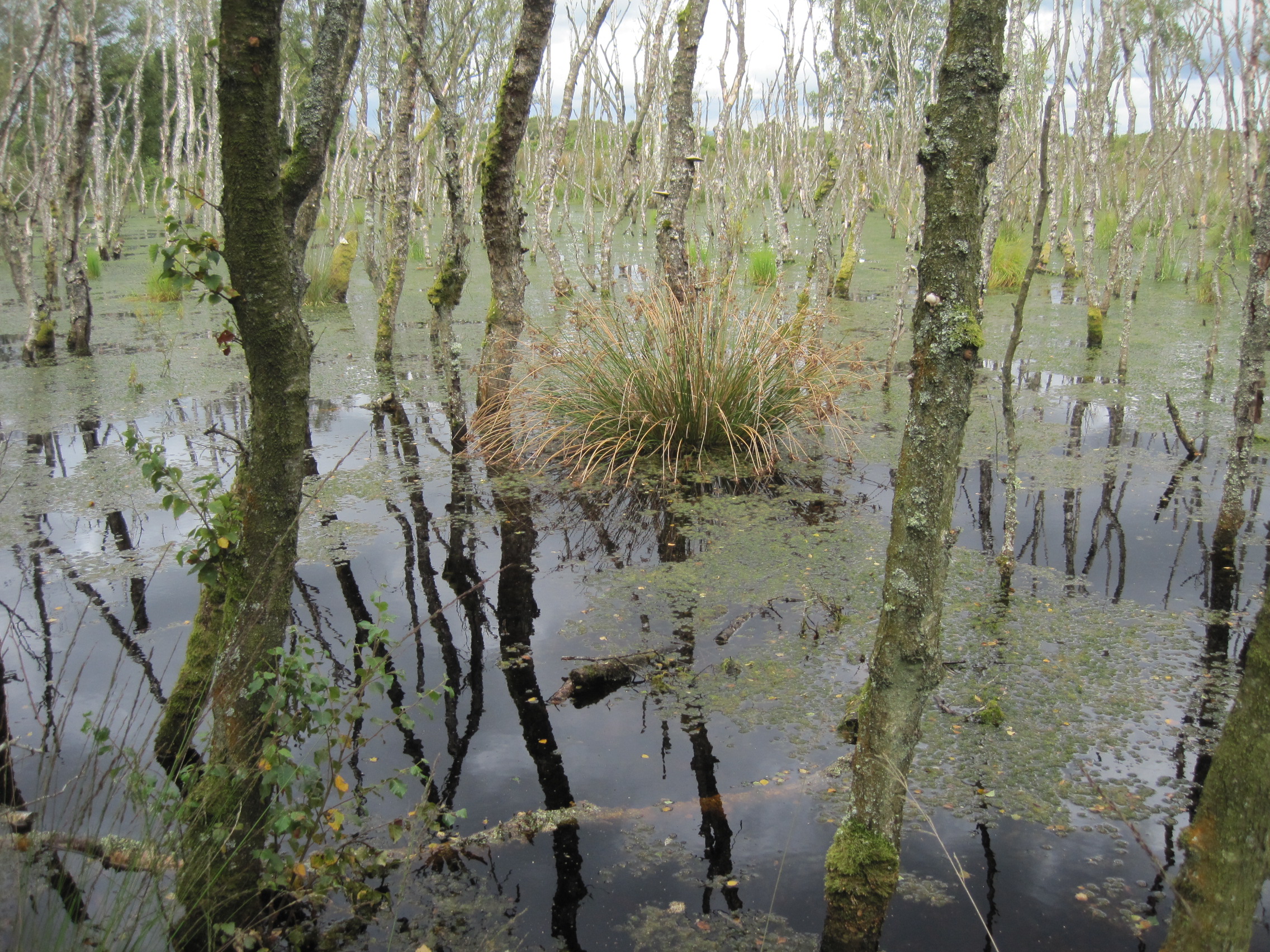
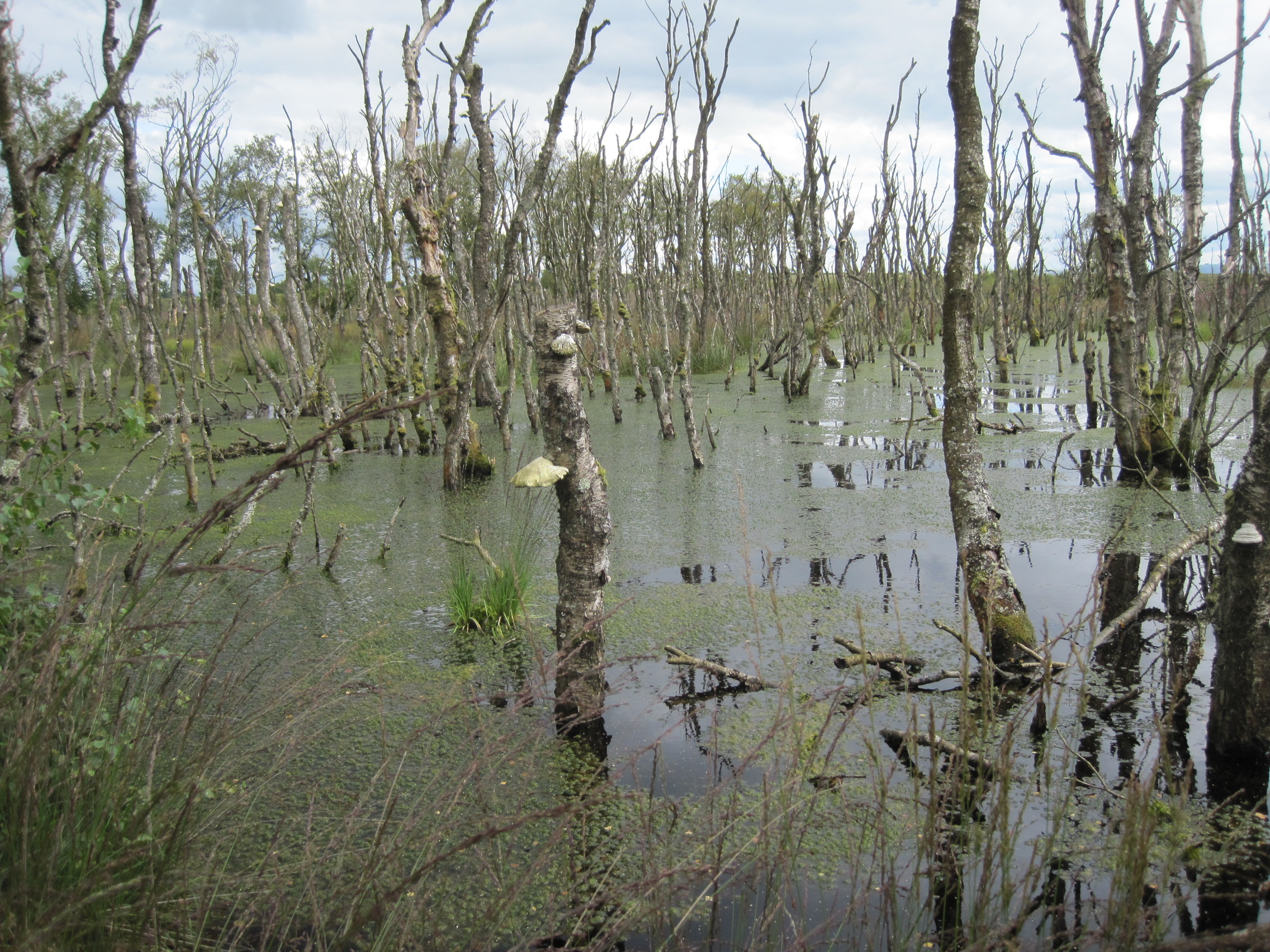
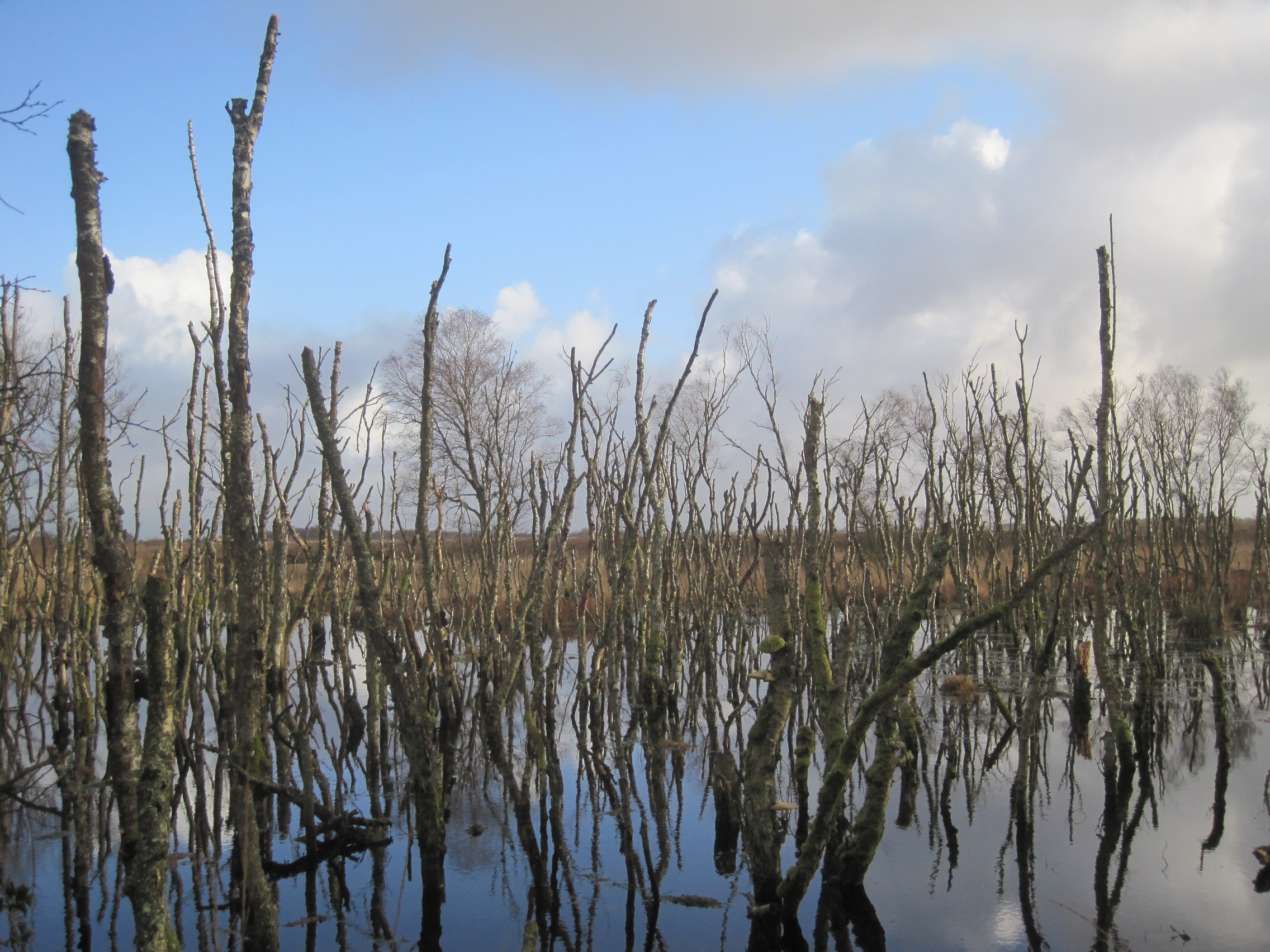
Towards the South of the peatbog is a cutting where peat was dug by hand. It had been drained and abandoned, and birch rapidly colonised the area, drying the peat further. During the restoration work water was allowed to accumulate and a pool (known to the staff as ‘Troglands’) formed. The trees’ roots became waterlogged and starved of oxygen, and the birches slowly died.
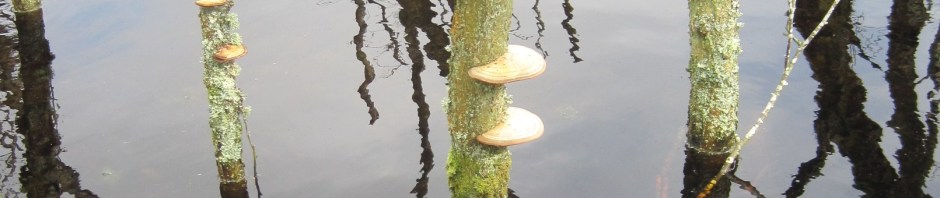
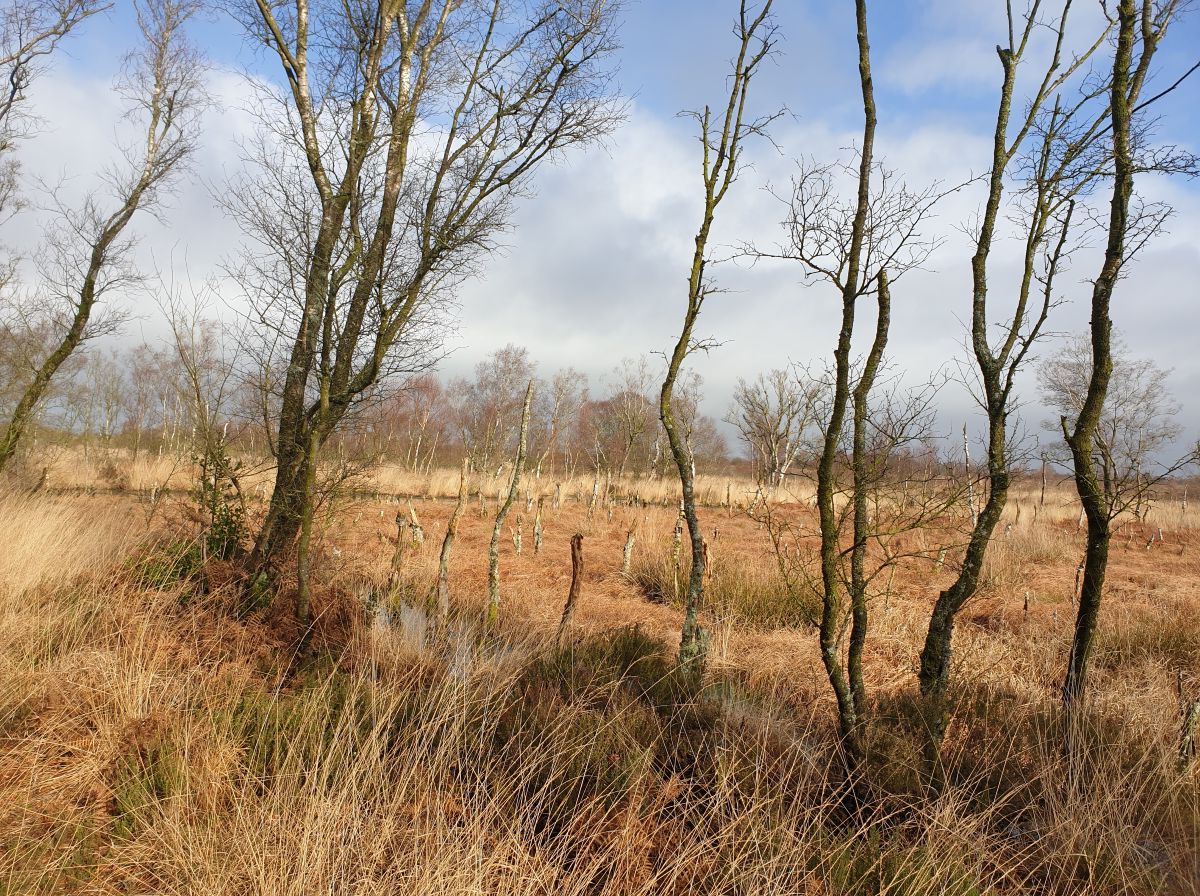
For almost ten years I have taken photos of this very photogenic and intriguing ‘pool of the drowned birches’, watching the process of their decay. My record has not been systematic, and I have not always stood at the exact same spot. But the following photos show the loss of twigginess; the bracket fungi die and fall off, the trunks become rotten and stubby. Sphagnum mosses start to invade the wetness. In the dry periods, grasses grow. Reflections of the sky and silvery trunks disappear. The colour palette changes. What is the desired outcome? Not peatbog, but a different dwelling place, part of the Reserve’s patchwork of communities.
This is what Troglands looked like in March 2017 and in February 2026. For comparisons over the years, keep scrolling down.
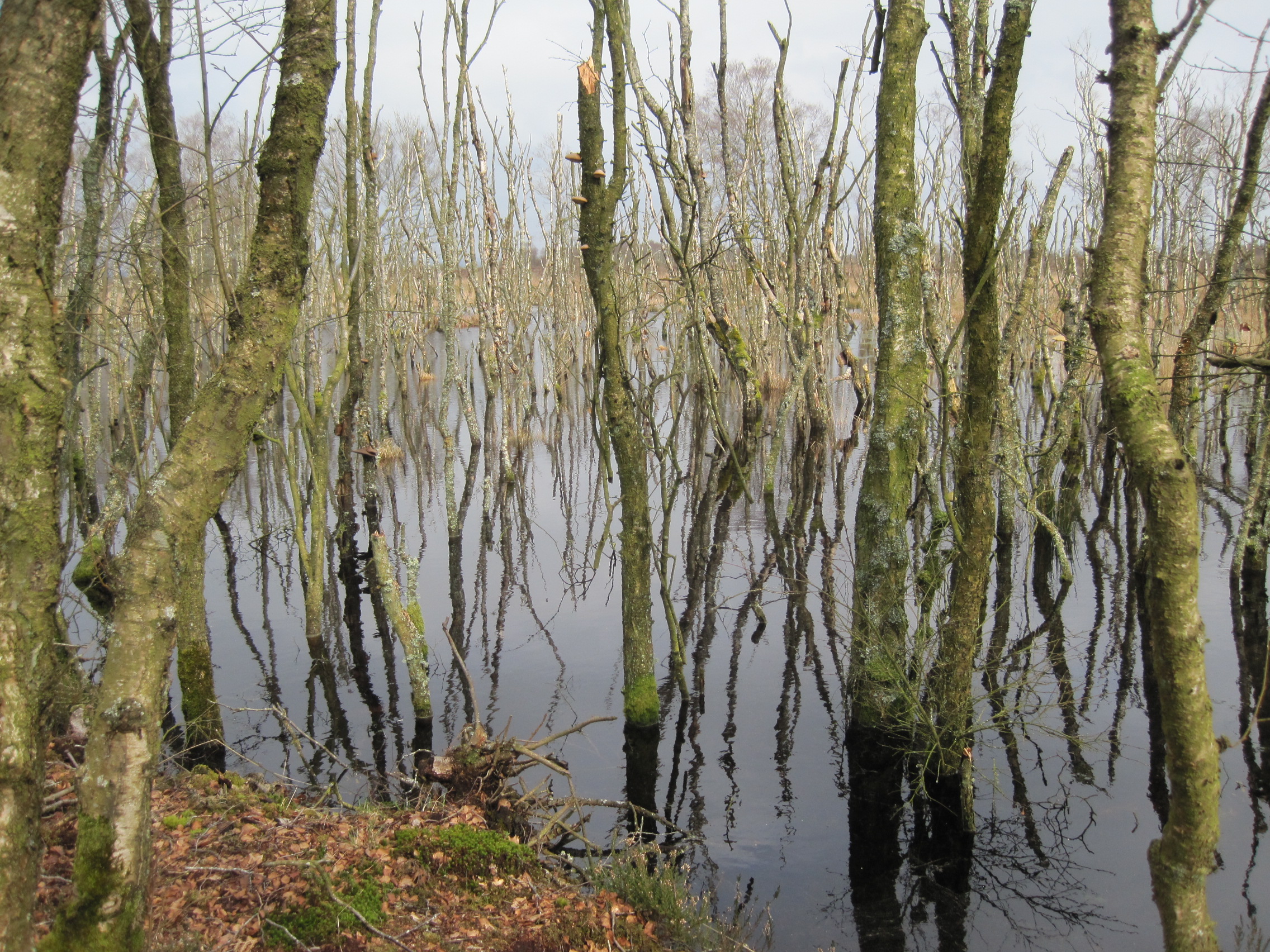
2017, March
2017, August
2018, January
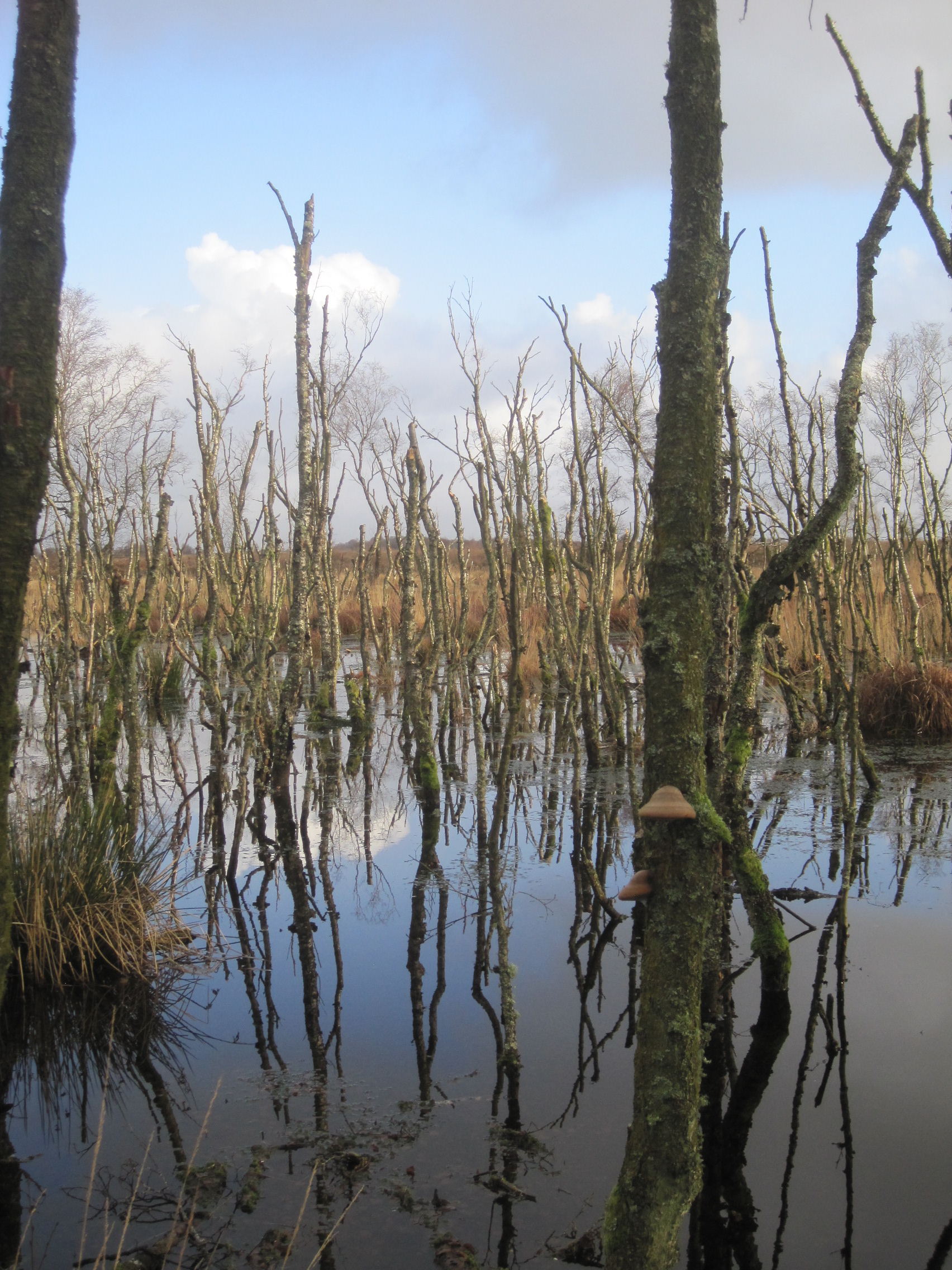
2020, October
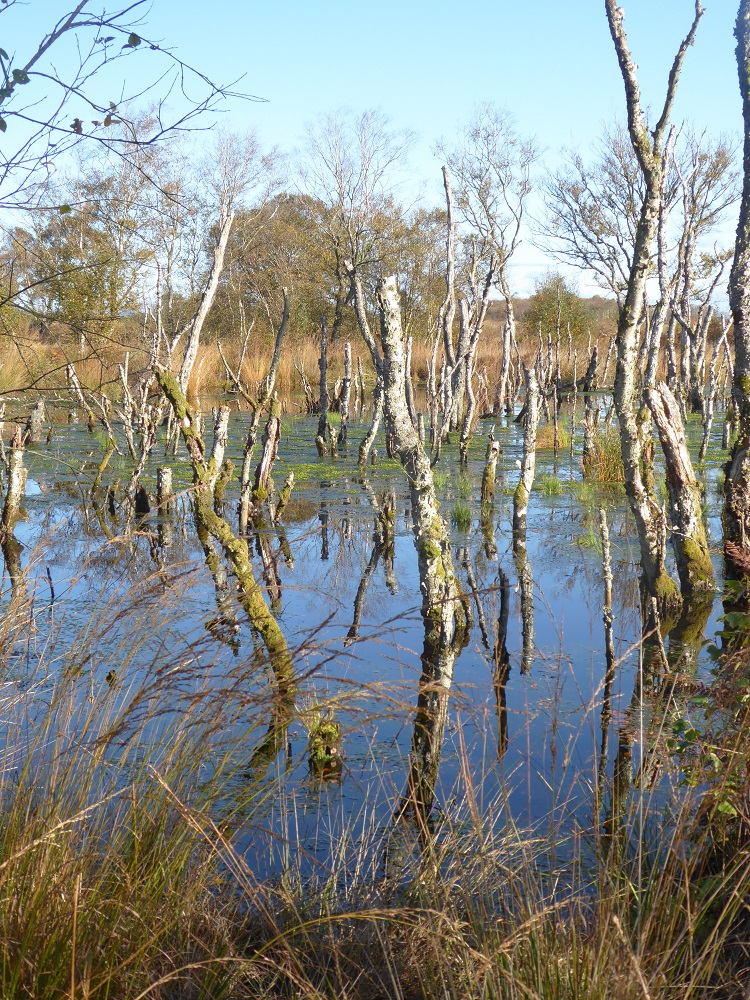
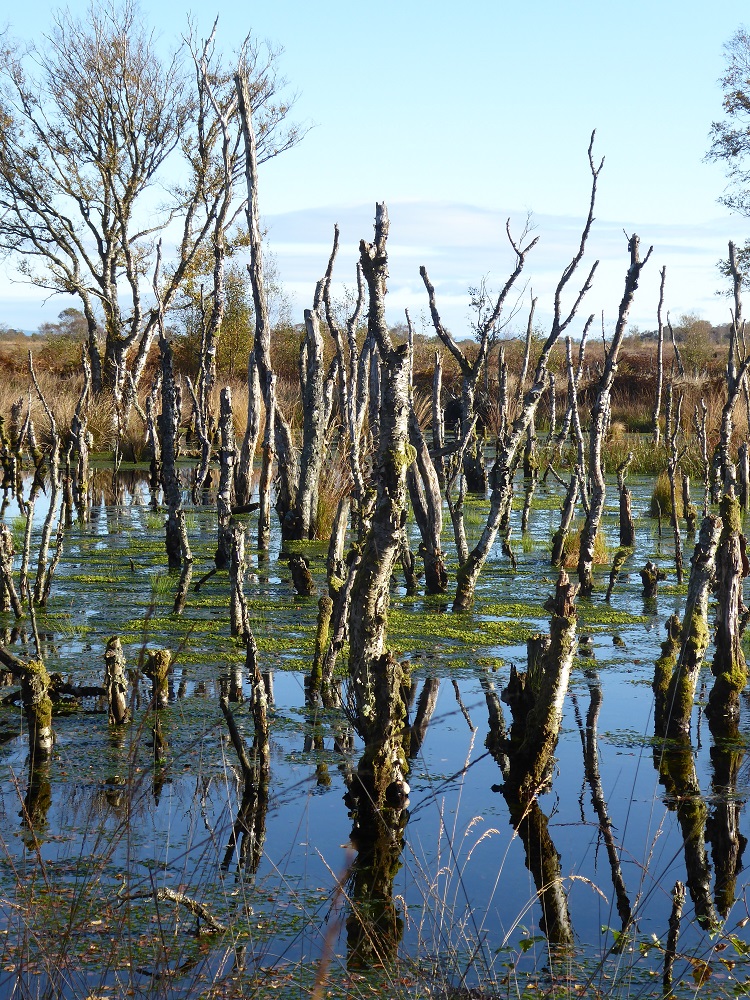
2022, April
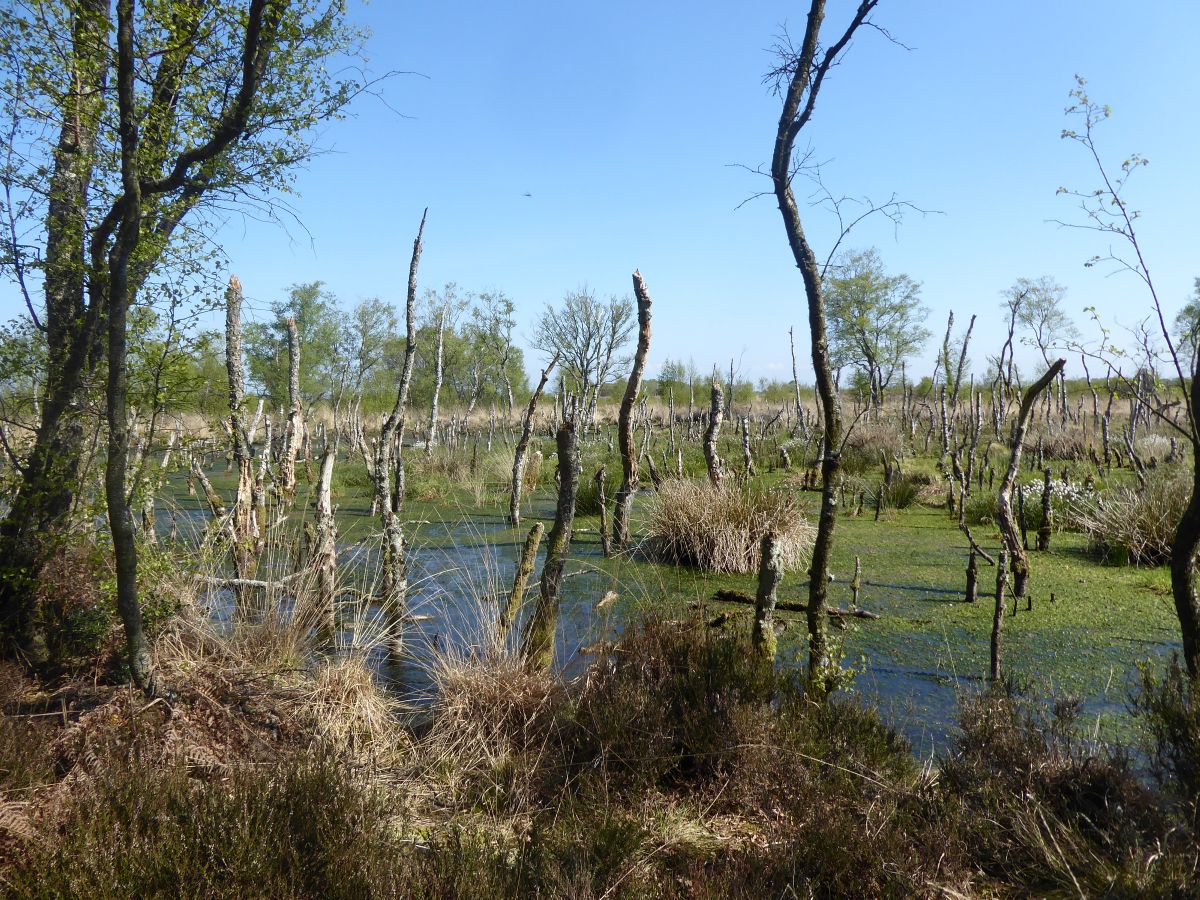
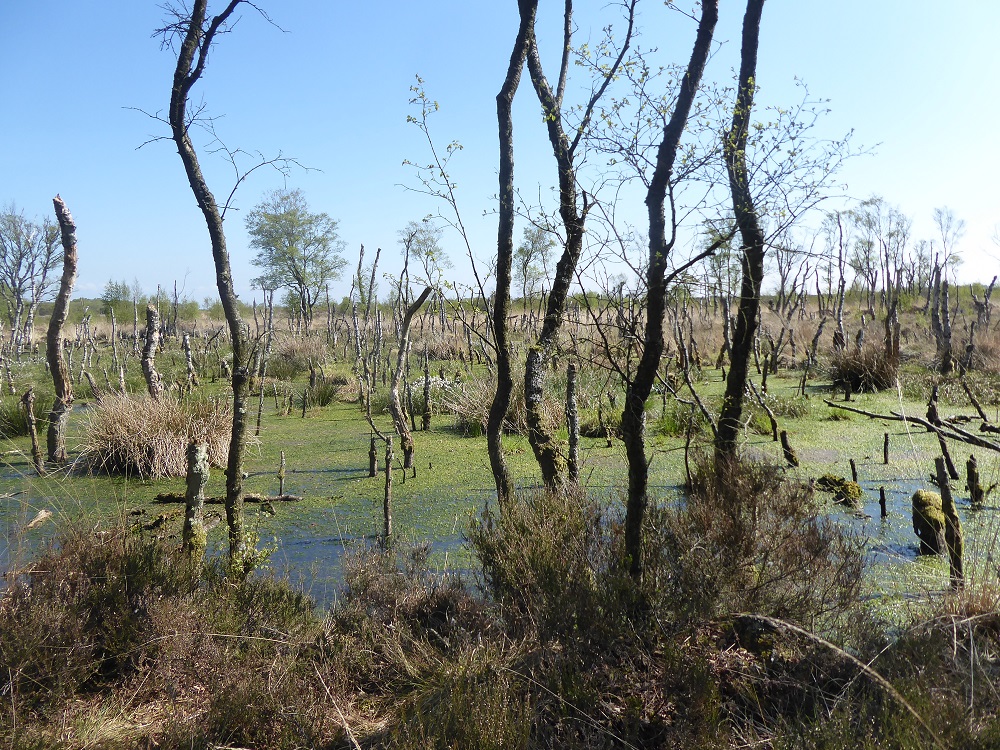
2023, July
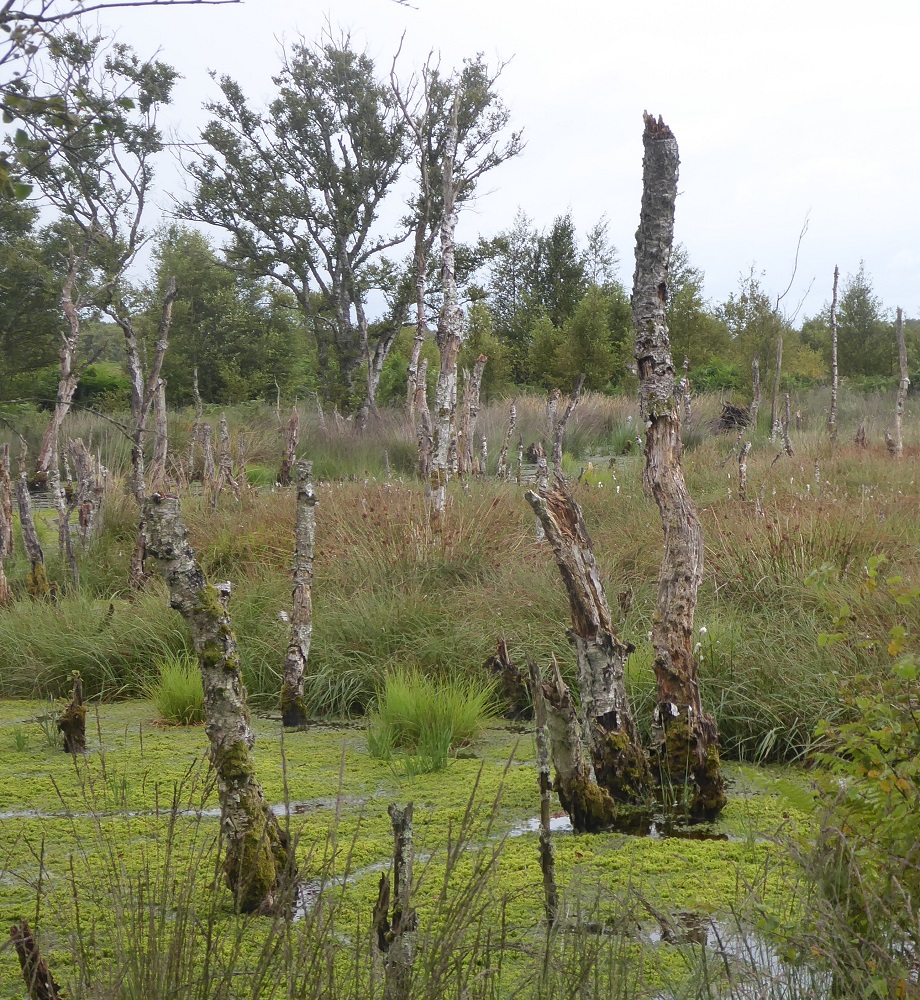
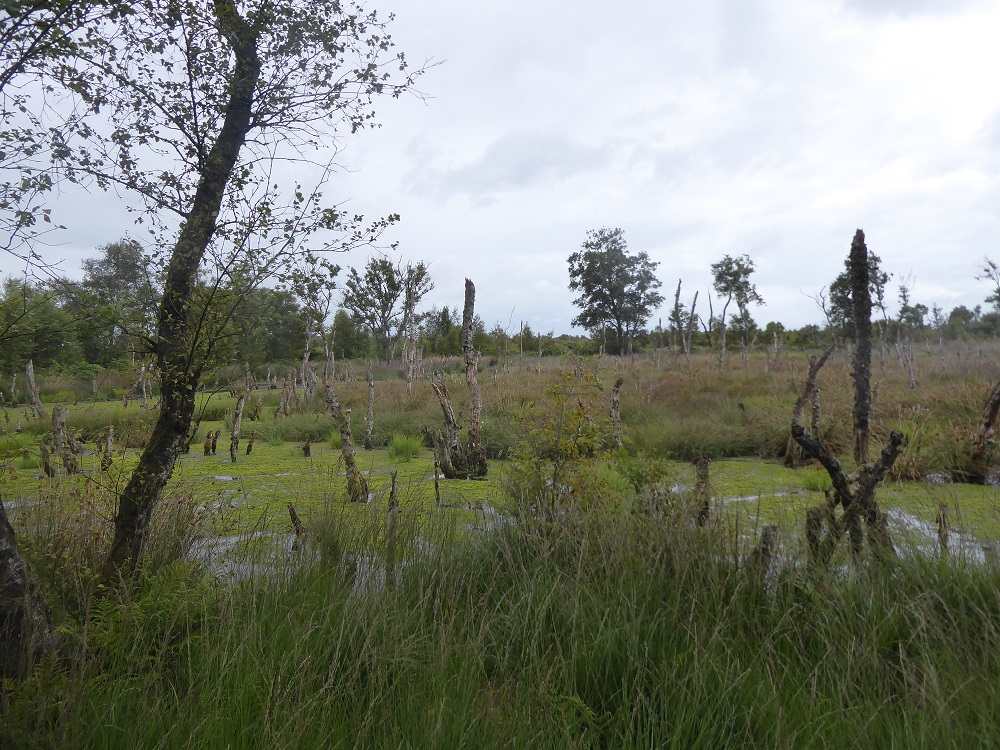
2023, November
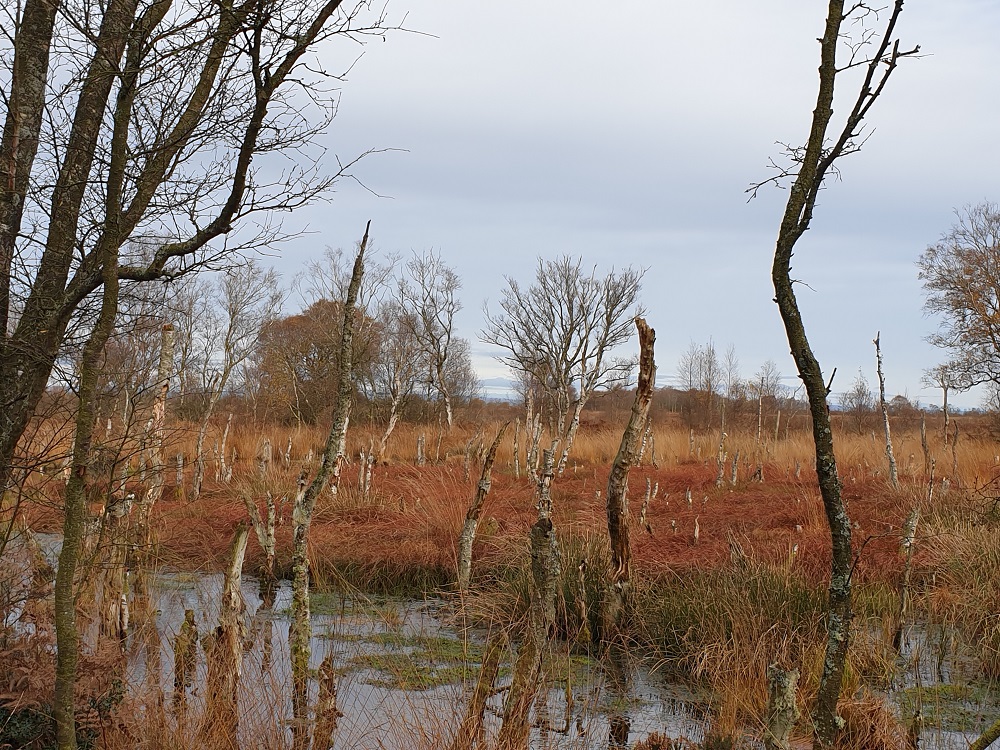
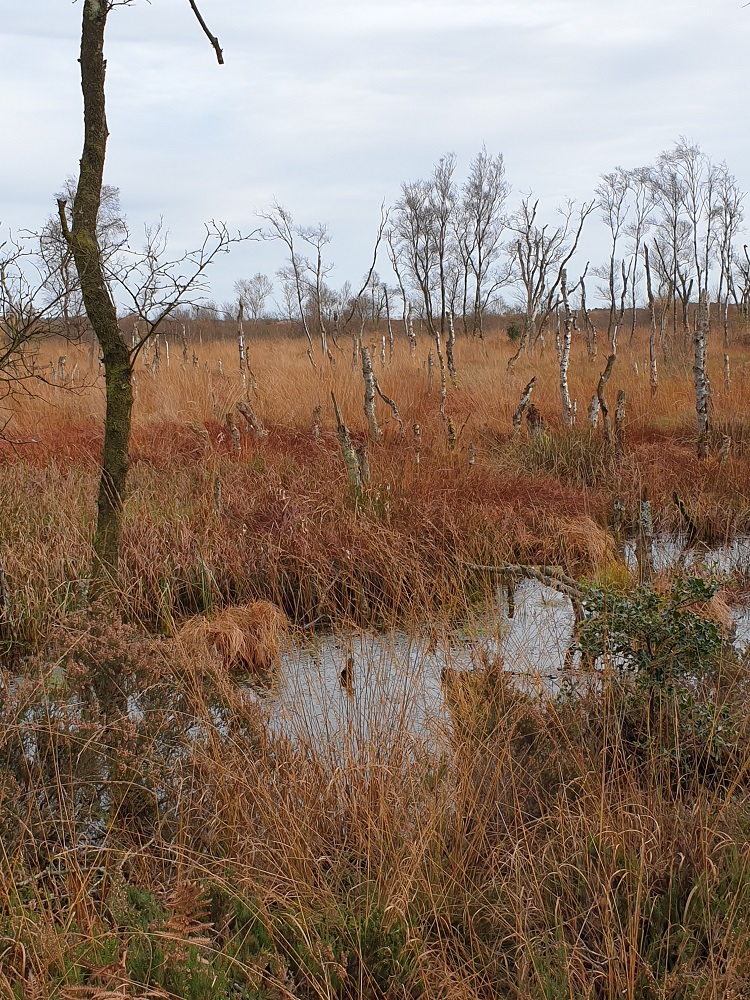
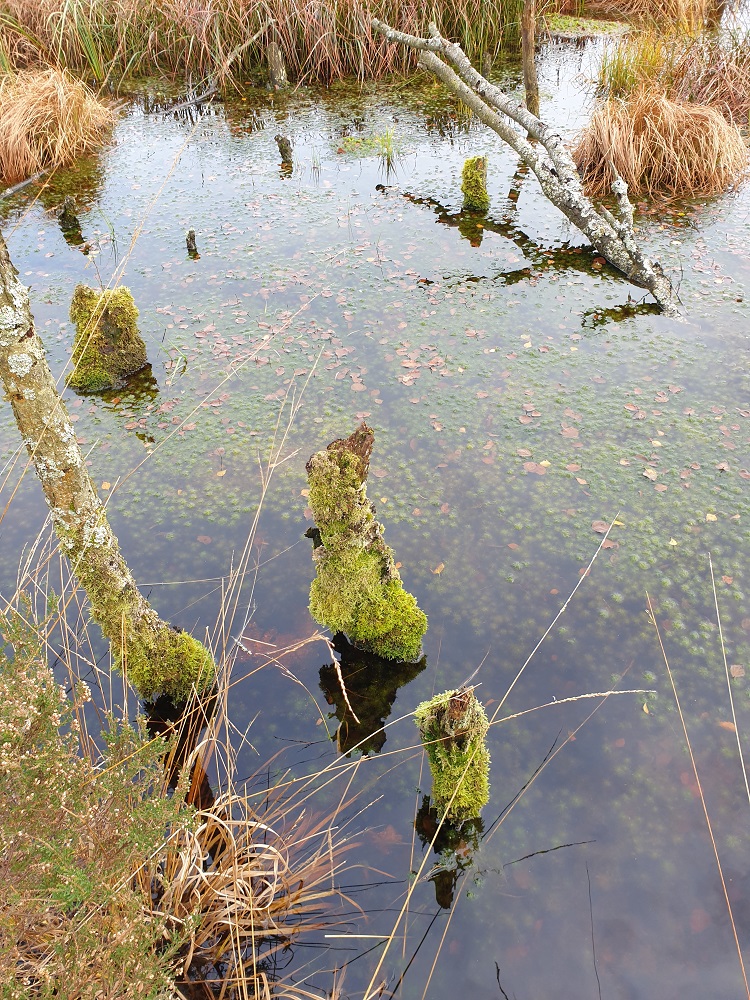
2024, April
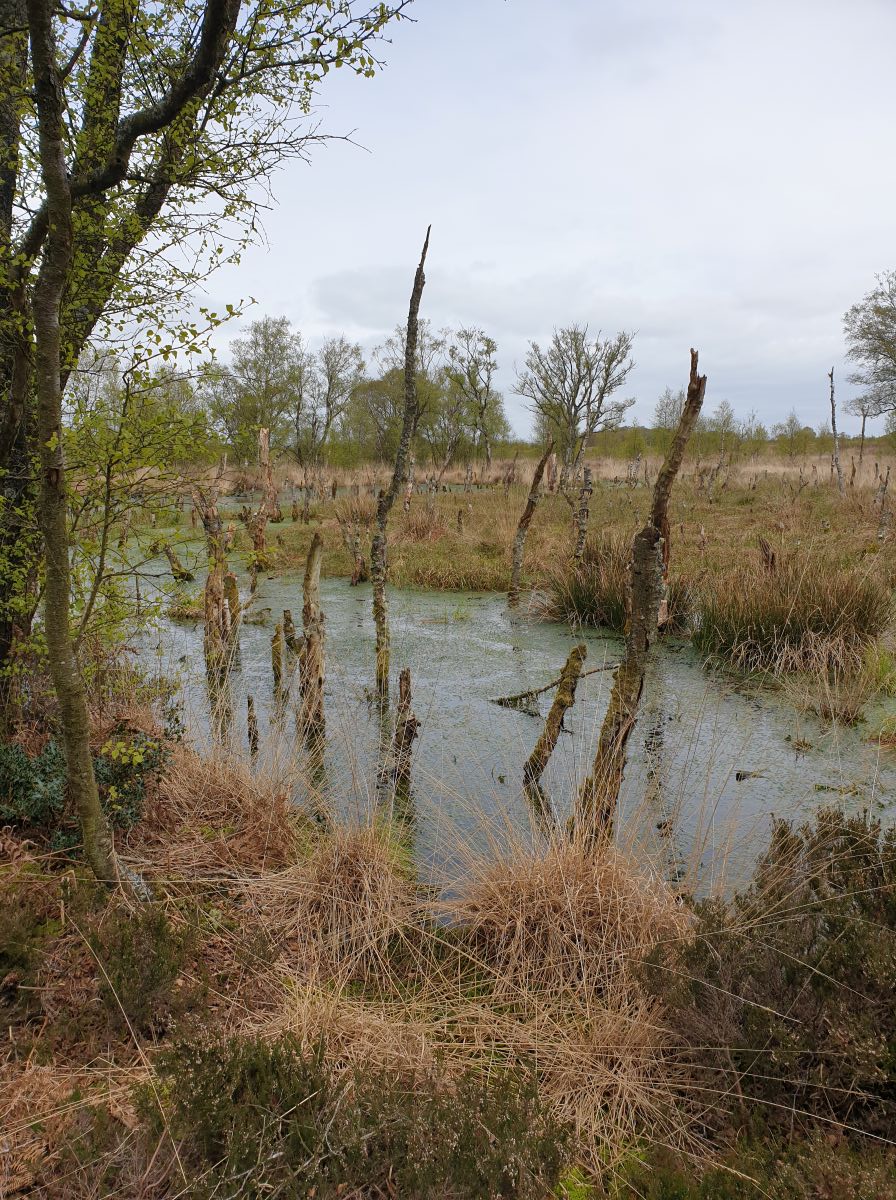
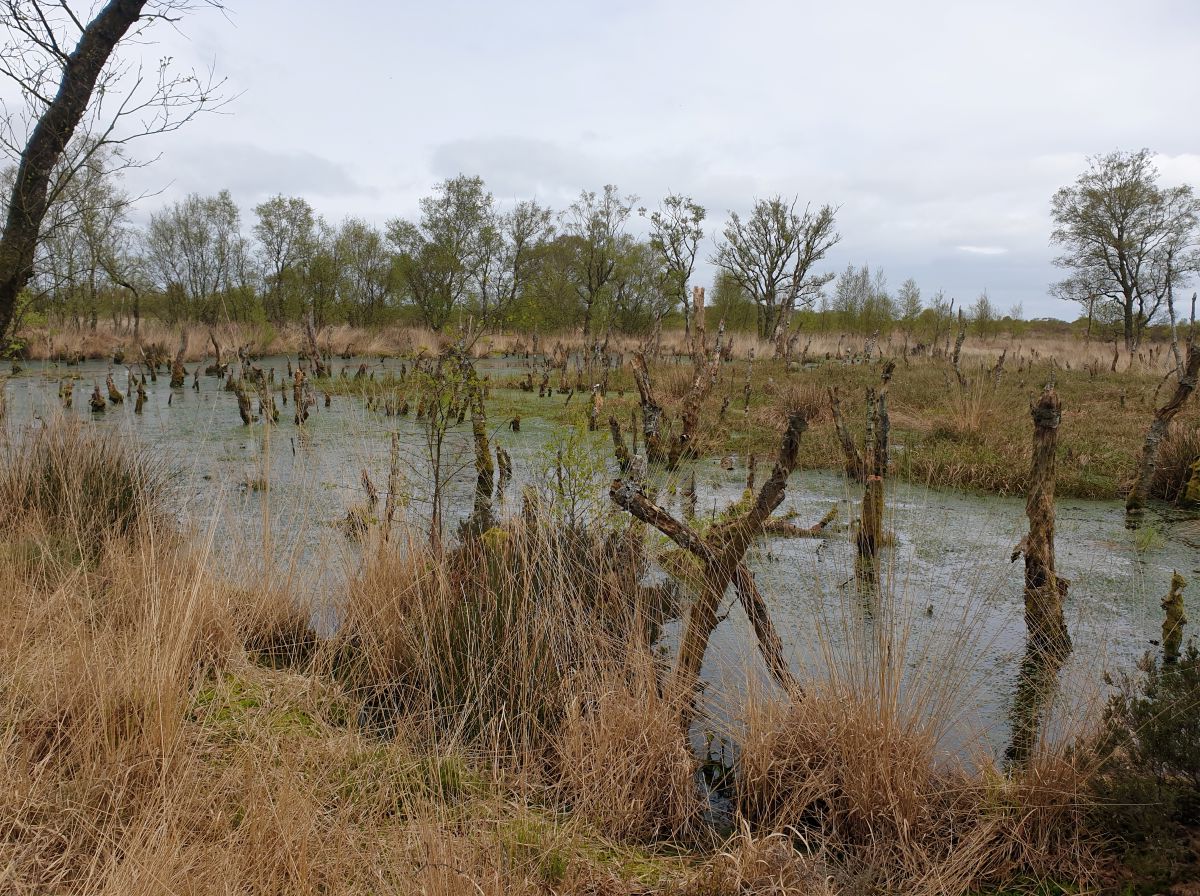
2024, September
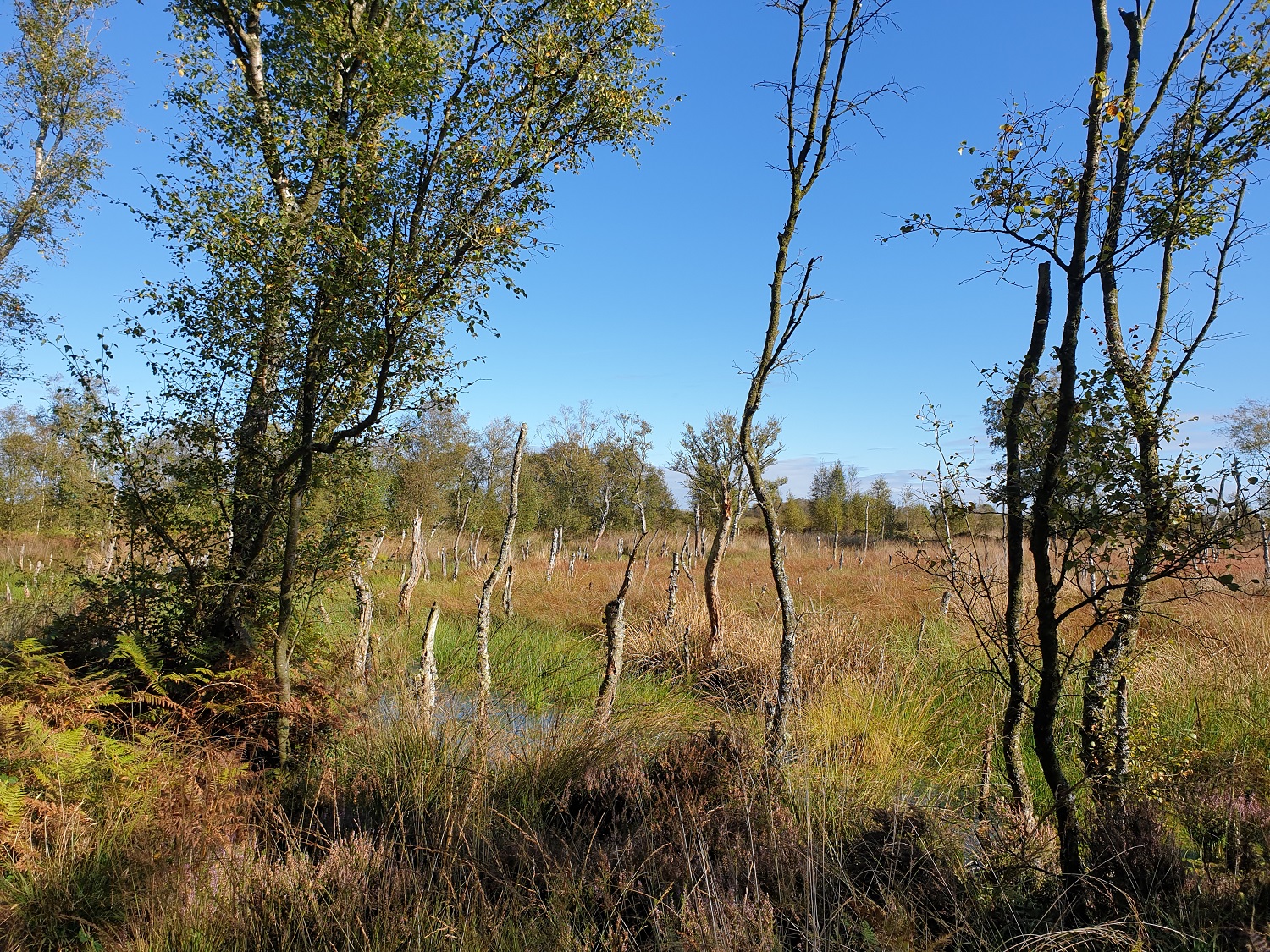
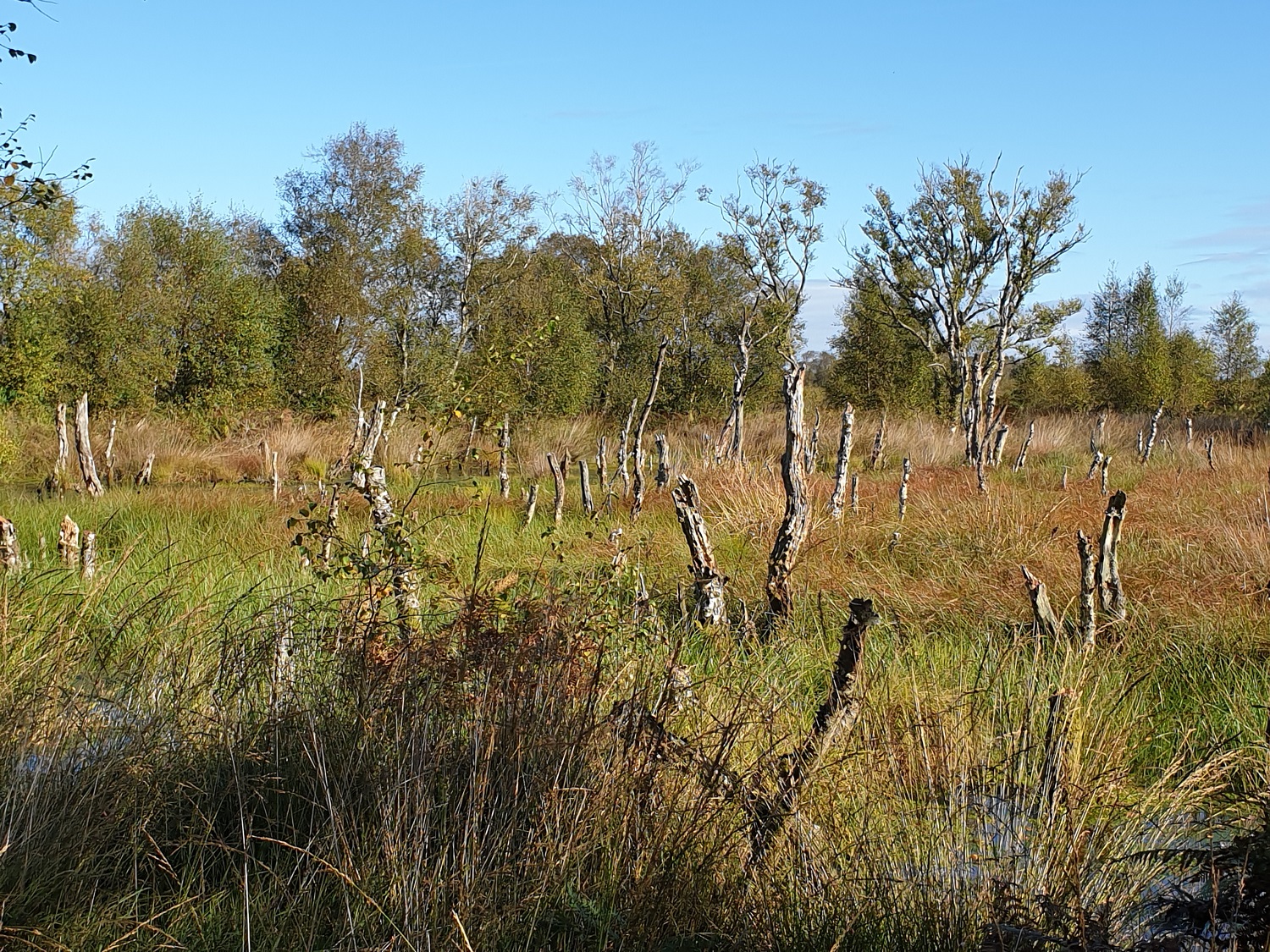
2025, May
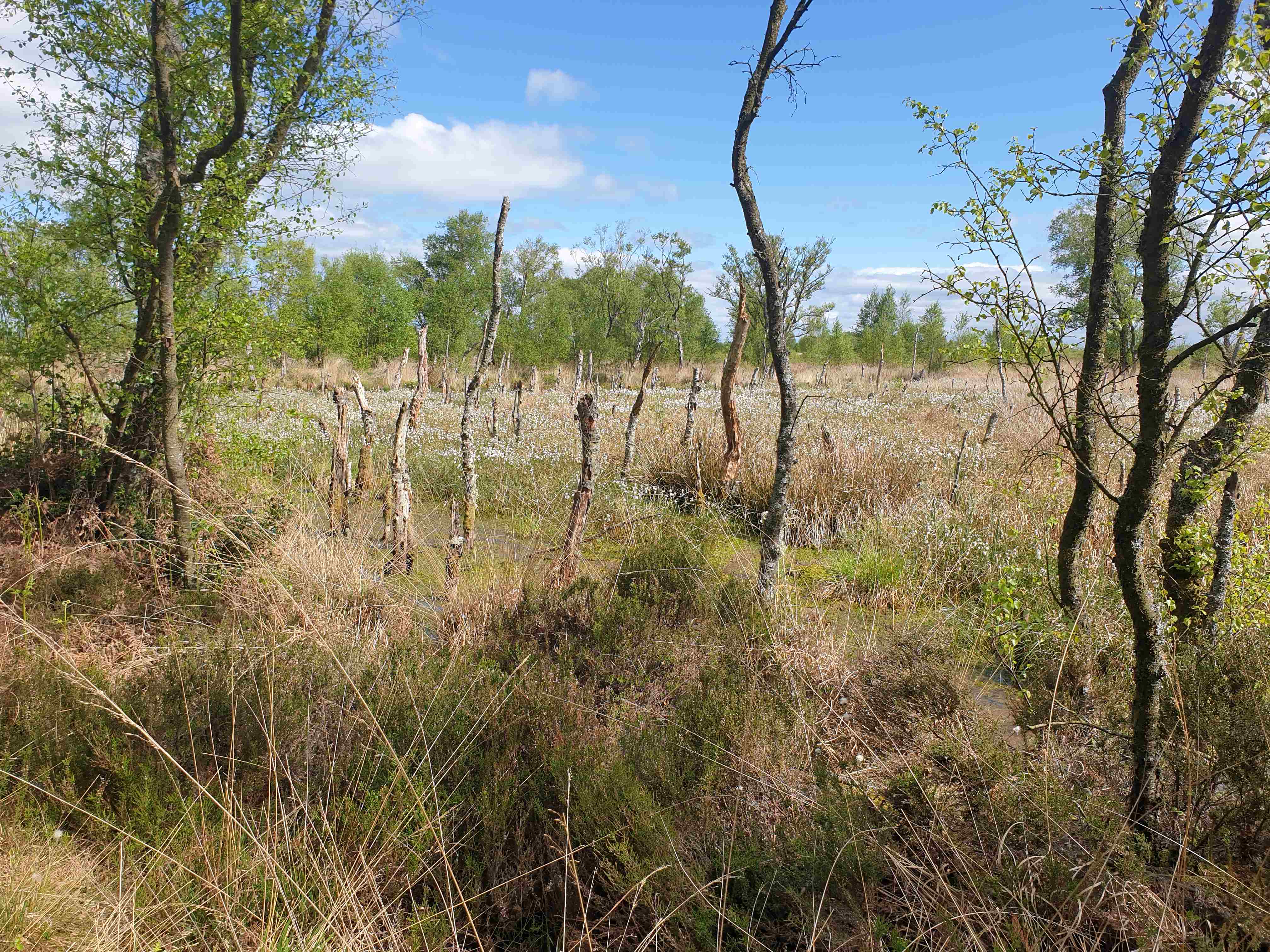
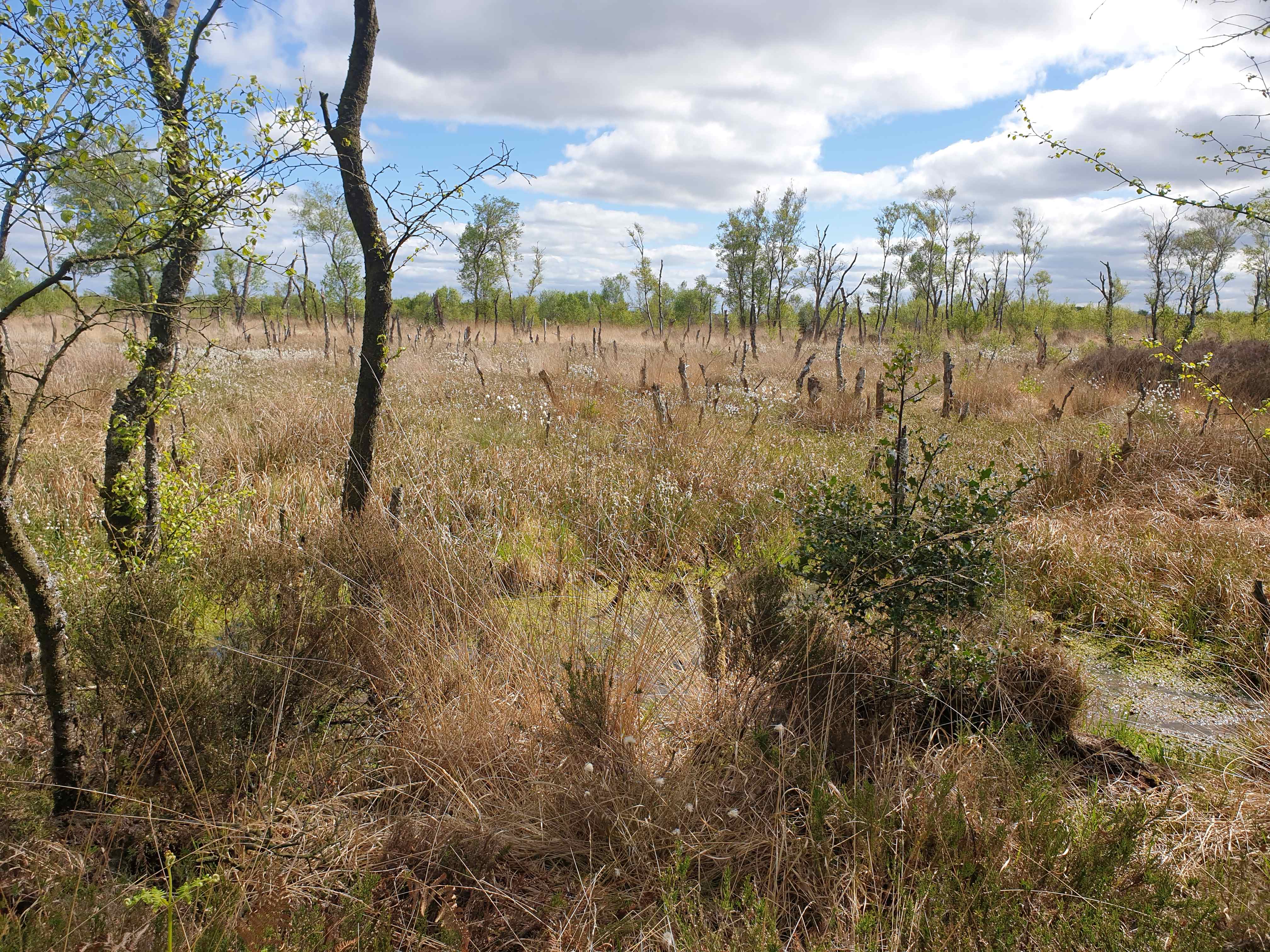
2026, February